Online Chaplain Training Courses + Study-Based Ordination Pathway
What Is Free Police Chaplain Training?
A free police chaplain training course prepares volunteer, part-time, and full-time chaplains to serve law enforcement settings with calm presence, clear boundaries, and Christ-centered spiritual care. At Christian Leaders Institute, this training is free-access, donor-supported, and study-based, helping students grow in presence-based chaplaincy, critical incident response, family support, ethical care, and policy-aware ministry within police culture. Students can begin through the Christian Development School, continue into the Leadership Excellence School for degree-based study, and explore a study-based ordination pathway through Christian Leaders Alliance that is not instant, but built on training, endorsements, review, and credibility.
Free to Access. Study-Based. Rigorous.
Christian Leaders Institute offers free online ministry training through donor support. That means students can begin serious police chaplain preparation without paying tuition for course access. This training is not casual or hype-based. It is structured, practical, and ministry-ready. Students work through guided lessons, quizzes, and applied formation that help them serve with wisdom, steady presence, and good judgment.
Free does not mean casual. Study-based means prepared.
Important clarity: course access is free; degree services and credential services may include low-cost administrative fees (depending on the pathway you pursue).
Police departments, sheriff’s offices, campus police, public safety agencies, and community outreach partnerships.
Christian Leaders Institute Empowers World Leaders with Free Online Correspondence Courses
What Is a Police Chaplain?
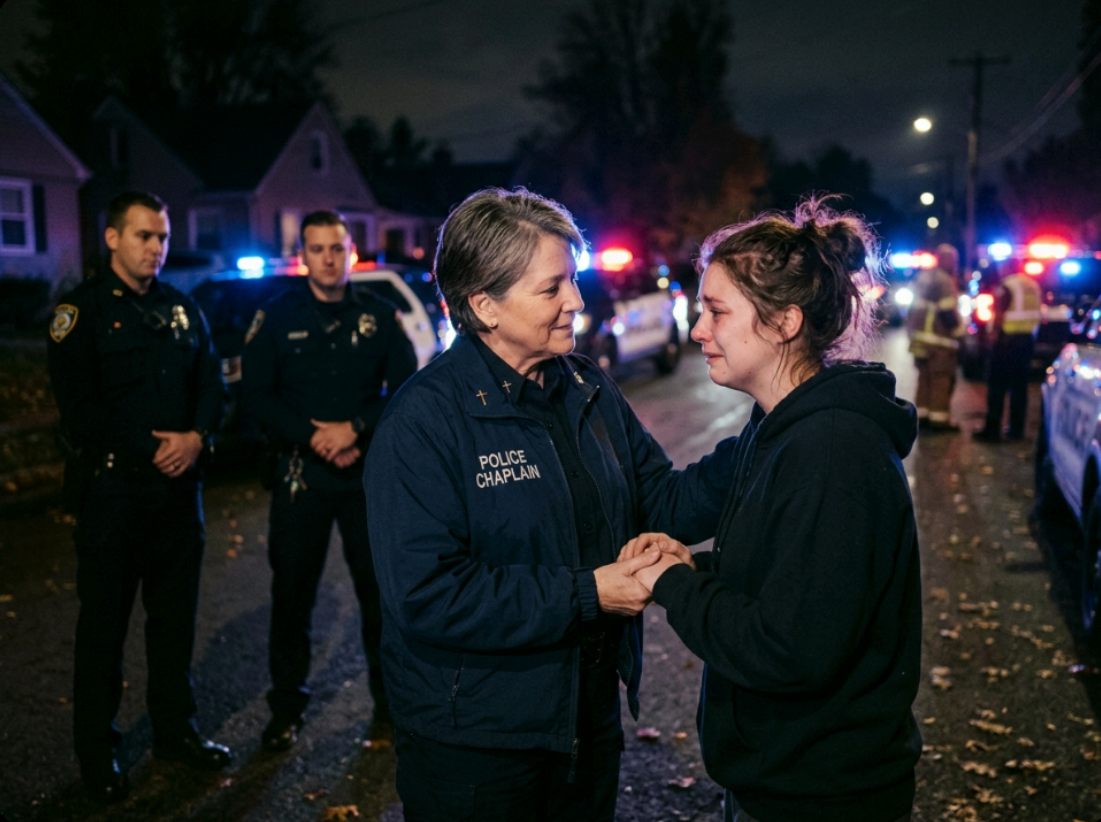
A police chaplain is a spiritual care leader who serves officers, dispatchers, department staff, families, and sometimes the wider community through a ministry of presence. A police chaplain shows up consistently, listens well, honors policy, respects boundaries, and offers prayer and spiritual care without trying to become an investigator, a fixer, or a departmental liability.
Police chaplaincy requires maturity because law enforcement culture carries pressure that many people never see.
At Christian Leaders Institute, police chaplain training helps students prepare for these settings while recognizing that placement depends on local agency policies, background checks, onboarding requirements, and approvals.
Officers and staff may face:
trauma exposure
split-second decision fatigue
public scrutiny
moral injury
grief after critical incidents
strain on marriages and family life
cumulative stress over time
A police chaplain serves with:
scope awareness
policy-aligned care
presence-based ministry
clear boundaries
confidentiality wisdom
referral readiness
integrity under pressure
A police chaplain serves in:
police departments
sheriff’s offices
campus police
public safety agencies
critical incident response settings
roll calls and station visits
ride-alongs as permitted
memorial services and vigils
family support and survivor care
community partnership settings
Learn what the Police Chaplaincy Training Course is all About!
Police officers, dispatchers, and department staff carry daily stress that most people never see. They often face trauma exposure, decision fatigue, public scrutiny, and moral injury. Police Chaplaincy is a ministry of presence: showing up consistently, listening well, honoring policy and boundaries, and offering prayer and spiritual care without becoming a fixer, an investigator, or a departmental liability.
This course equips chaplains with biblical foundations, Ministry Sciences insights, and practical field tools to serve within police culture with integrity and compassion. Students learn how to build trust, respond to critical incidents, support families, assist with ceremonies and grief care, navigate ethics and confidentiality, and act as a bridge of hope in moments of community tension.
The Police Chaplaincy course emphasizes:
calm presence in high-stress settings
wise listening and trust-building
respect for law enforcement culture
policy-aware spiritual care
support for officers, dispatchers, and staff
care for families and survivors
ceremonial leadership with dignity
sustainable ministry rhythms for the long haul
This is training for chaplaincy practice. Placement depends on local agency policies, onboarding requirements, and approvals.
What This Police Chaplain Role Is Not
A police chaplain has a meaningful role, but not an unlimited one. A chaplain is:
not a police officer
not an investigator
not a therapist
not a legal advisor
not a departmental spokesperson
not replacing command structure
not above agency policy
not a rescuer
not a judge
not a coercive evangelist
Healthy police chaplaincy means offering hope without overstepping. A trustworthy chaplain knows how to stay close enough to care and wise enough to keep boundaries.
Course Outcomes
By the end of this course, students should be able to:
Explain police culture, including stress, solidarity, and silence, and serve appropriately inside it.
Practice presence-based chaplaincy without rescuing, judging, or trying to be the answer person.
Build trust through consistent rhythms such as roll calls, ride-alongs, station presence, and skilled listening.
Respond to critical incidents with calm, prayerful leadership and wise boundaries.
Support families and survivor care with dignity, clarity, and biblical hope.
Lead or assist with ceremonies such as line-of-duty death observances, memorials, and vigils with professionalism and compassion.
Apply ethics, confidentiality, and safety practices in law enforcement environments.
Sustain long-term ministry through burnout prevention, peer support, and spiritual rhythms.
Why This Training Matters
Police chaplaincy matters because law enforcement personnel often carry burdens in silence. They may see tragedy, violence, broken families, addiction, accidents, suicide, and public anger, then still be expected to make sound decisions and keep moving. A wise chaplain does not add pressure. A wise chaplain helps create space for strength, honesty, prayer, and care.
A trained police chaplain can help bring:
steady presence instead of reactive pressure
care with boundaries instead of overreach
hope instead of emotional isolation
support without becoming a liability
prayer instead of empty clichés
trust through consistency, not performance
This is also a field with meaningful opportunity for ordained volunteer chaplains. Many departments and community partnerships benefit from trusted volunteer chaplains who show up with maturity, humility, and professionalism. Not every role begins as paid staff ministry. Many meaningful doors begin with faithful volunteer presence.
An ordained volunteer police chaplain may be able to:
assist departments as permitted
support officers, dispatchers, and staff
show up during crises and difficult calls as approved
participate in memorials, vigils, and family care
strengthen community outreach partnerships
build long-term trust through reliable, policy-aware service
For many students, police chaplaincy becomes a real way to serve people who are often strong on the outside and carrying heavy strain on the inside.
Christian Leaders Institute: Two Schools, One Chaplain Training Mission
Christian Leaders Institute offers chaplain training through two schools, so you can match your preparation to your calling and goals.
1) Christian Development School (CDS): Volunteer & Part-Time Chaplain Training
The Christian Development School provides free-access, donor-supported ministry for adult learners. This pathway is especially well suited for:
Volunteer chaplains
Part-time ministry leaders
Church visitation team leaders
Learners exploring chaplaincy calling
Those wanting structured preparation without beginning in a degree track
CDS allows students to begin studying police chaplaincy in a flexible, self-paced way.
CDS is a strong fit if you want:
Free-access, study-based chaplain training
Specialized chaplain coursework
Practical, ministry-ready tools
Flexible learning as you serve
2) Leadership Excellence School (LES): Degree-Based Chaplaincy Preparation
The Leadership Excellence School is the degree pathway at Christian Leaders Institute. This is the structured academic option for students seeking deeper preparation for broader ministry leadership or institutional opportunities.
Depending on program and relevance, students may pursue:
Associate Degree in Chaplaincy
Bachelor Degree in Chaplaincy
This pathway is especially useful for those seeking stronger academic formation, long-term ministry development, and expanded leadership preparation.
LES is a strong fit if you want:
A documented degree pathway for vocational ministry or professional development
Deeper academic structure and longer-term credibility
Preparation aligned with paid or institutional chaplaincy goals
Pathways Toward a Full-Time Career in Police Chaplaincy
Many students begin police chaplaincy because they feel called to serve officers, staff, and families in hard moments. Later, they ask whether this can become a long-term vocational path. In some settings, the answer is yes. But it is wise to understand that full-time chaplaincy often requires more than introductory ministry training.
In many institutional settings, the path toward full-time chaplaincy may include:
a Master of Divinity (MDiv) or similar graduate degree
supervised ministry experience
agency approvals, background checks, and policy training
proven care experience in high-boundary environments
Christian Leaders Institute does not replace every traditional hiring pathway. Instead, CLI helps students take real steps toward calling discernment, study-based training, volunteer service, and future readiness.
Calling Discernment Through Volunteer Chaplaincy Formation
One of the best first steps is faithful service. Through the Christian Development School, students can begin free-access, study-based training and discern whether police chaplaincy fits their gifts, maturity, discretion, and emotional steadiness.
Students may also pursue Christian Leaders Alliance study-based ordination as volunteer chaplains. This is not instant ordination. It is a training-first pathway designed for competency, confidence, and credibility.
Volunteer ministry matters here because many police chaplaincy relationships are built through trust, consistency, and proven character over time.
Bachelor-Level Preparation as a Stepping Stone to Graduate Study
For students sensing a deeper vocational call, the Bachelor Degree in Chaplaincy can become an important next step. It helps build biblical, theological, pastoral, and ministry foundations that may support future graduate-level work.
Some students later continue through partnering or outside schools to pursue more advanced theological education or specialized chaplaincy preparation.
Alternative and Local Pathways Through Volunteer Service
In some communities, students who serve well as ordained volunteer chaplains may discover local doors opening through relationships, faithfulness, and proven readiness. This may include part-time opportunities, contracted ministry support, or broader public-safety-adjacent care roles.
This varies by department and policy, but there is real opportunity for ordained volunteer police chaplains to make a meaningful difference.
Strengthening the Possibility of Full-Time Chaplaincy
Students often strengthen their future possibilities when they combine:
bachelor-level chaplaincy education
volunteer police chaplain experience
Christian Leaders Alliance ordination
strong references and endorsements
proven maturity in high-trust, high-boundary ministry settings
A Wise Starting Point
Christian Leaders Institute offers a wise and accessible place to begin. For some students, this leads to volunteer police chaplain service. For others, it becomes the first step toward a longer vocational journey.
Either way, this pathway gives students a way to prepare, serve, and grow now.
Moodle Delivery: Study While You Serve
Christian Leaders Institute courses are delivered through the Moodle platform at:
This format works especially well for busy adults, volunteers, and bi-vocational leaders.
The CLI → CLA Pathway: Training to Ordination
Christian Leaders Institute and Christian Leaders Alliance work together, but they do different things.
CLI = training
CLA = ordination and credentialing
Christian Leaders Store = field tools, handbooks, and optional ordination kits
Christian Leaders Alliance provides study-based volunteer and part-time clergy formation. This is not instant ordination, but study-based preparation for competency, confidence, and credibility. Ordination follows training, endorsements, review, and recommended commissioning.
That distinction matters. Training comes first. Growth is documented. Endorsements matter. Commissioning is recommended. This is ministry formation, not hype.
The Simple Pathway
Start chaplain training at CLI (free-access, study-based)
Complete your Foundational and Police training
Pursue chaplain ordination/credentials through CLA
Submit endorsement(s) as part of the review process.
Complete profile updates and review steps required for credibility and readiness.
Serve locally with integrity, accountability, and clarity
Use handbooks and field tools (Christian Leaders Store) to support ongoing ministry
Who This Free Police Chaplain Training Pathway Is For
The free police chaplain training pathway is designed for people at different stages of ministry who sense a calling to offer spiritual care, compassionate presence, and Christ-centered support in police settings. Whether you are just beginning or expanding an existing ministry role, this pathway can help you move forward with clarity and purpose.
A) Volunteer Chaplains
This pathway is ideal for volunteer chaplains who serve in community, church, nonprofit, visitation, or local care settings—often without pay. Many faithful chaplains begin as volunteers, offering prayer, encouragement, Scripture, listening, and spiritual support to people in times of need. Free police chaplain training can help volunteer chaplains gain confidence, biblical grounding, and practical ministry skills for police department visitation and care.
B) Part-Time Chaplains
This pathway also serves part-time chaplains who minister a few hours each week or month. Some serve in paid roles, while others serve in bi-vocational ministry alongside another job, pastoral role, or family responsibility. Free police chaplain training gives part-time chaplains a flexible and affordable way to grow in their calling while building practical knowledge for real-life ministry situations.
C) Professional Chaplains Seeking Specialization
Experienced chaplains may also benefit from this pathway when pursuing additional preparation for new ministry settings. A chaplain who has served in one environment may desire specialized training for police ministry, crisis presence, bedside care, family support, grief situations, or faith-sensitive ministry in medical contexts. Free police chaplain training can provide focused development for chaplains who want to strengthen or broaden their service.
A Clear 7-Step Chaplain Training Plan
A calling to chaplaincy grows stronger when there is a clear next-step pathway. This free police chaplain training plan offers a simple and practical process for moving from interest to ministry readiness.
🥾 Step 1: Clarify Your Calling and Chaplain Setting
Begin by identifying where God may be leading you. Discern where God may be leading you to serve — municipal police departments, sheriff’s offices, campus police, or community policing initiatives. Understanding your ministry context helps shape effective preparation.
🥾 Step 2: Choose Your Training Level (CDS or LES)
Determine which educational pathway best fits your goals. Some students begin in the Christian Development School (CDS) for accessible ministry preparation, while others pursue the Leadership Excellence School (LES) for additional academic development. Both can help support your chaplain journey.
🥾 Step 3: Begin Study-Based Chaplain Training in Moodle
Start your free police chaplain training through Moodle, where you can study online at your own pace. Coursework develops biblical foundations, chaplain ethics, crisis awareness, and policy-aligned ministry skills. This training approach allows students from many backgrounds and locations to begin learning without the barriers of a traditional classroom setting.
🥾 Step 4: Practice Presence-Based Ministry with Boundaries
Police chaplaincy is not only about what you say. It is also about how you show up. Learn to offer calm, compassionate, presence-based ministry while honoring emotional, ethical, spiritual, and institutional boundaries.
🥾 Step 5: Build Credibility and Trust Locally
As you grow in chaplain training, credibility matters. Trust is built through faithfulness, maturity, good character, humble service, and consistent ministry presence. Chaplains gain credibility through consistency, humility, discretion, and faithful presence.
🥾 Step 6: Pursue Chaplain Ordination Through CLA (If Called)
Some students will sense a call to formal recognition and ordination. If that is your path, you may pursue chaplain ordination through the Christian Leaders Alliance as part of your broader ministry development and public ministry credibility. This step provides clergy credentialing, ministry recognition, and public affirmation of your calling as a Police Chaplain.
🥾 Step 7: Equip Your Ministry with Handbooks and Field Tools
Training is strengthened when you have practical ministry tools. Handbooks, field guides, ceremony resources, and ministry supports can help you serve with greater readiness and confidence.
Chaplaincy Specializations (Training Clusters)
Chaplain training is not one-size-fits-all. CLI’s strength is specialization-focused training.
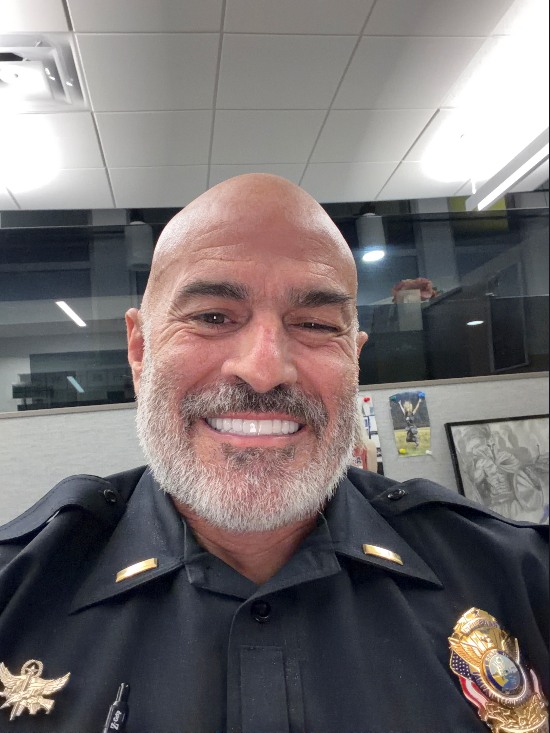
From Struggle to Calling: A Police Chaplain’s Journey
My faith journey has been anything but straight. I was raised Catholic, but for much of my life, my faith was routine—something I practiced without truly understanding. I grew up in a single-parent home, and while my mom instilled strong values, I still spent years drifting, making poor choices, and relying on myself instead of God.
Even into adulthood, with a career, family, and opportunities like attending the FBI National Academy, my faith remained distant. But something began to change. Sitting in a chapel one day, I felt God working on my heart. Soon after, I started making things right—apologizing to others, reconnecting with faith, and joining a Bible study that helped me grow deeper in my relationship with Christ.
That transformation became real during a financial hardship, when my wife and I chose generosity over fear—and saw God provide in ways we didn’t expect. From there, everything began to change: my health, my relationships, and my purpose.
Today, I am training to serve through a Free Police Chaplain Training Course at Christian Leaders Institute, preparing to support officers, families, and communities in moments that truly matter. This calling didn’t come from having everything together—it came from being transformed.
If you’re considering a path like this, know that God can use your story too.
Accreditation Status and Public Listing
CLI provides a public accreditation-status explanation page. The U.S. Department of Education’s Office of Postsecondary Education hosts the Database of Accredited Postsecondary Institutions and Programs (DAPIP), where accreditation-related listings can be searched and verified.
A common path is to begin with structured chaplain training, develop trust-building skills and ministry boundaries, and then pursue volunteer, part-time, or broader ministry opportunities that fit your setting and local agency requirements.
Are the courses free?
Yes. Christian Leaders Institute offers free-access, donor-supported training. That means the learning itself is made available without tuition cost for course access. Some degree-related administrative services, credentials, or optional kits may involve costs depending on the pathway.
Do I need a degree to serve as a police chaplain?
Not always. Some volunteer and church-based visitation roles may not require a degree, while some institutional or paid roles may prefer or require one. That is why CLI offers both Christian Development School training and Leadership Excellence School degree pathways.
What does a police chaplain do?
A police chaplain offers spiritual care and presence to officers, dispatchers, staff, families, and sometimes the wider community. This may include listening, prayer, crisis support, memorial care, station presence, and community bridge-building within policy.
Is there real opportunity for ordained volunteer police chaplains?
Yes. There is often meaningful opportunity for ordained volunteer chaplains in law enforcement support, department care, memorial settings, family support, and community outreach partnerships, depending on local policy and agency openness.
Can I serve part-time?
Yes. This course is especially useful for volunteer and part-time chaplaincy ministry, while also helping students explore whether they may be called to broader vocational pathways.
What is the path toward full-time police chaplaincy?
In many settings, the path toward full-time chaplaincy may include graduate theological education, supervised ministry experience, institutional approvals, and proven service in high-boundary care settings. CLI can help students begin that journey.
What is the difference between training and ordination?
Training develops ministry knowledge, skill, and readiness. Ordination is a separate recognition and credentialing process. At CLI, training happens through coursework. At CLA, ordination is study-based, endorsement-confirmed, and reviewed. It is not instant.
Is CLA ordination instant?
No. Christian Leaders Alliance ordination is not instant. It is a study-based pathway designed for competency, confidence, and credibility. It follows training, endorsements, review, and recommended commissioning.
Next Steps: Start Your Police Chaplain Training
If you feel called to bring Christ-centered care into police settings with calm presence, wise boundaries, and compassionate spiritual support, this course is a strong place to begin.
Choose your track:
Christian Development School (Volunteer/Part-Time)
Free People Skill Confidence Course Online Christian Growth Course + Biblical Foundation for Christ-Centered Relationships Grow in Relational Confidence Through Grace, Wisdom, and Christlike Presence Have you ever wished you felt more confident with people? Many people want better relationships. Perhaps you struggle to start conversations, feel awkward in groups, avoid conflict, find it difficult […]
Free Spiritual Growth Course: Introduction to Spiritual Growth Online Christian Formation Course + Biblical Foundation for Lifelong Growth Understand Spiritual Growth Through God’s Story and Your Place in It Have you ever wondered what it truly means to grow spiritually? Perhaps you’re exploring Christianity for the first time. Maybe you’re returning to your faith after […]
Free Soul Coaching Course: Soul Coaching Skills Online Training Courses + Study-Based Ordination Pathway Learn How to Encourage Spiritual Growth with Wisdom, Prayer, and Care Do you have a heart to encourage others? Maybe people come to you when they are struggling, discerning a decision, rebuilding their walk with God, or trying to take a […]
Your Path into Free Police Chaplain Training Starts Here
If you are visiting this page because you sense a call toward chaplain ministry—especially serving those in law enforcement, crisis situations, and community need—you are not alone. Many people begin searching for free police chaplain training because they want to support officers, departments, and communities with care that is steady, wise, and grounded.
That is where Christian Leaders Institute can help.
Study Online on Your Schedule
Christian Leaders Institute offers free police chaplain training through its online learning environment. This allows you to prepare for chaplain ministry while continuing your current responsibilities. You do not need to relocate, leave your job, or wait for the perfect time to begin.
Many future police chaplains start with a question like this:
Where can I find free police chaplain training that is credible, Christian, and practical for real-world situations?
Christian Leaders Institute was built to help answer that question.
Accessible Training with Real Ministry Value
The goal of free police chaplain training is not just information—it is formation. This training is designed to help chaplains serve with wisdom, discretion, emotional strength, and practical readiness in high-pressure environments.
Police chaplains often serve in situations such as:
Critical incidents and crisis response
Death notifications and family support
Ride-alongs and officer care
Community presence during emergencies
Moments of stress, trauma, and decision-making
This training prepares you to respond with calm presence, strong character, and appropriate boundaries.
Choose the Training Path That Fits Your Calling
Christian Leaders Institute offers more than one pathway for chaplain formation, allowing students to choose the level that best fits their goals.
Christian Development School (CDS)
A great starting point for volunteer and part-time police chaplains. It offers accessible, practical training to begin serving right away.
Leadership Excellence School (LES)
For those seeking a more advanced, college-level path, including degree options for expanded ministry opportunities.
A Simple Pathway for Police Chaplain Training
Many prospective students want a clear picture of what the process looks like. Here is a practical pathway for starting and growing in free police chaplain training.
Start with study-based chaplain preparation
Begin with online courses at Christian Leaders Institute that introduce chaplain ministry in a serious, accessible, and ministry-focused way.
Focus on law enforcement chaplaincy
Develop skills specific to police departments, including crisis response and officer support.
Learn while staying active in daily life
Complete training at your own pace while balancing work, family, and ministry.
Practice presence with strong boundaries
Police chaplaincy requires knowing how to show up without interfering, listen without controlling, and support without overstepping.
Build trust and credibility
Trust is essential in law enforcement settings. It is built through consistency, humility, and integrity.
Pursue ordination if called
Some students continue toward chaplain ordination through the Christian Leaders Alliance for recognized ministry standing.
Strengthen your work with practical ministry resources
Field guides, handbooks, and ministry tools can help chaplains continue serving with clarity and confidence as they grow in experience.
What Makes This Training Pathway Different
Christian Leaders Institute is especially focused on volunteer and part-time chaplains. Many police chaplains serve alongside full-time careers, stepping into moments that require readiness and character.
This training emphasizes:
Biblical formation rooted in Christian faith and ministry compassion
Healthy boundaries for trustworthy care
Consent-based spiritual support without pressure or coercion
Practical readiness for real police and care settings
Accessibility through donor-supported free access learning
Flexibility for people balancing ministry with work, family, and church life
Specialized preparation for chaplain roles in specific ministry contexts
The goal is not just to complete courses—but to become someone officers and communities can trust in difficult moments.
Continue Your Police Chaplain Journey
If you feel called to serve those who protect and serve others—officers, families, and communities—this may be the right time to begin. Free police chaplain training can help you take that step with clarity and direction.
You may want to explore:
Police-focused chaplain training courses
Crisis and critical incident preparation
Specialized chaplaincy pathways
Degree options through LES
Ordination through the Christian Leaders Alliance
Practical ministry tools and field resources
Your calling deserves preparation that is both serious and accessible.
Christian Leaders Institute exists to make free police chaplain training available so more people can serve in police department and care settings with confidence, compassion, and integrity.