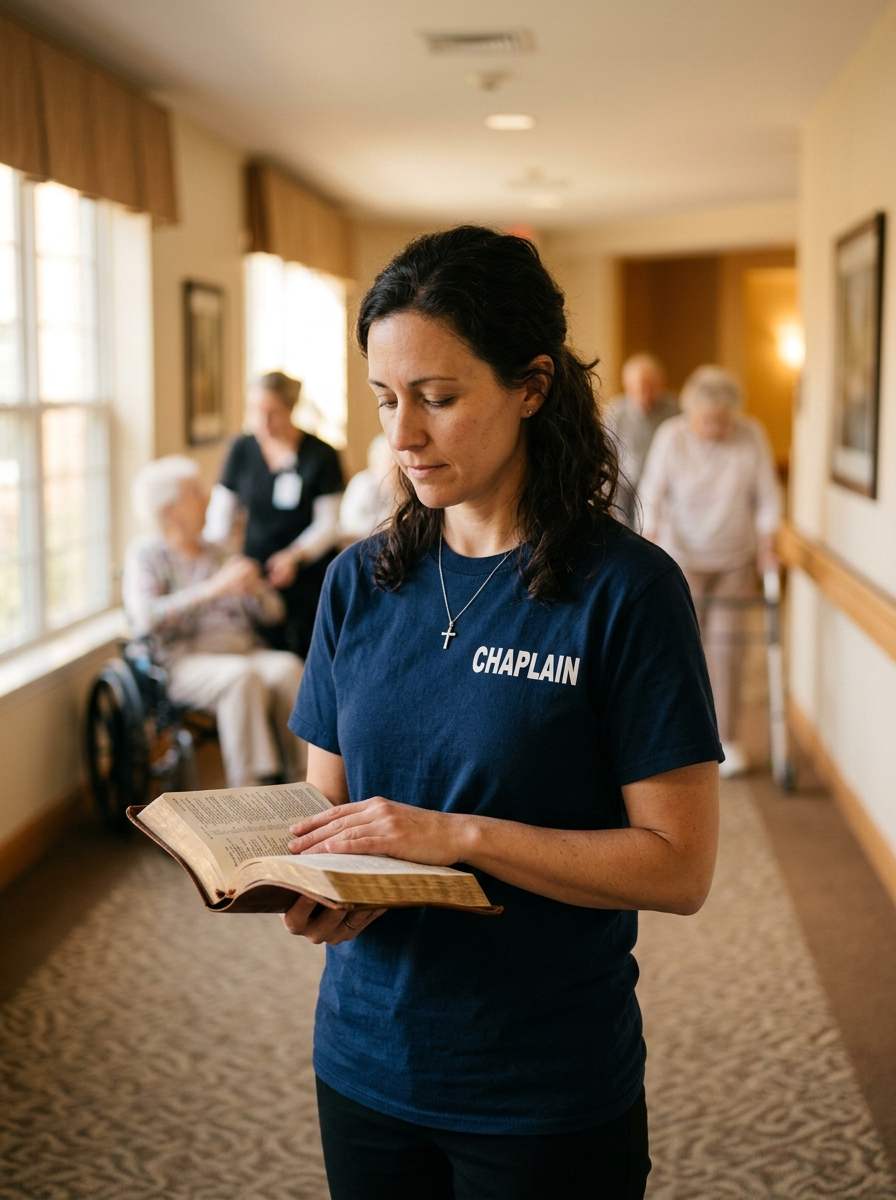
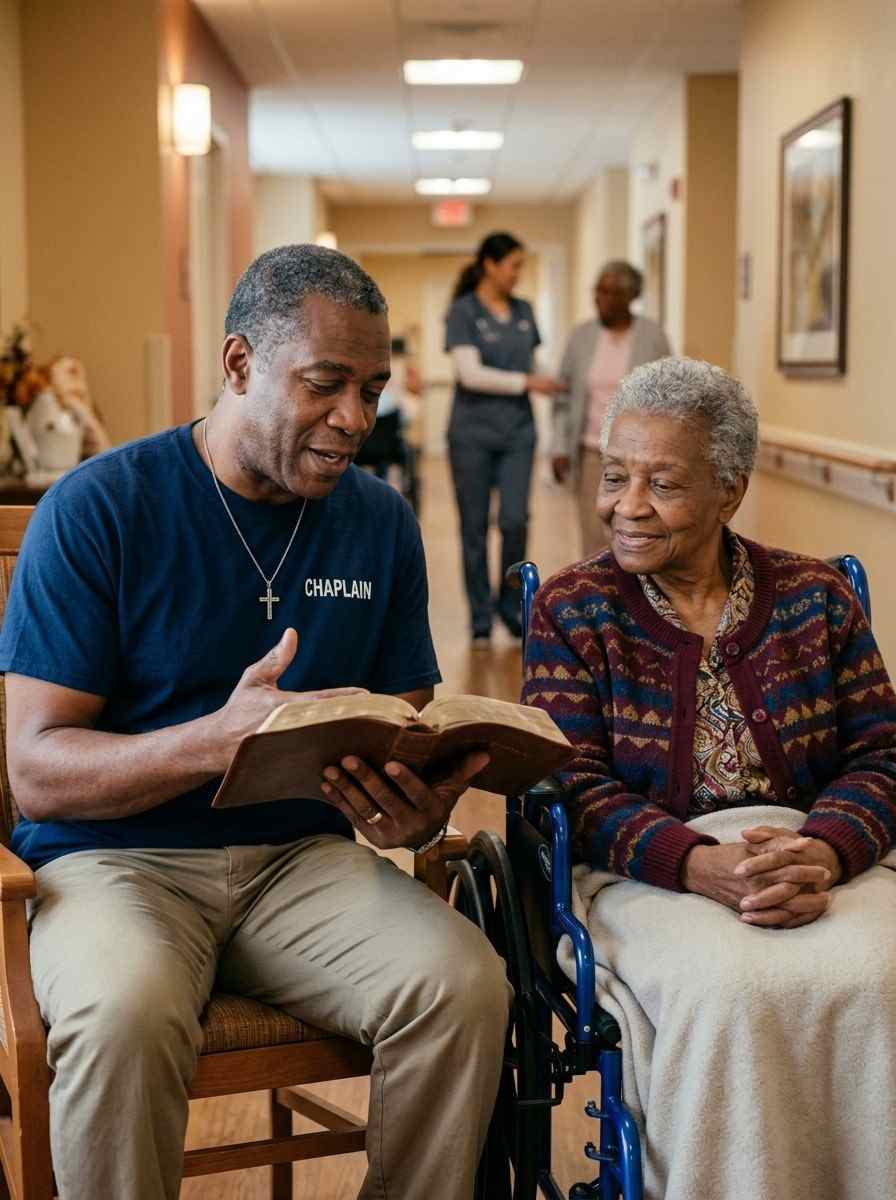
Free Nursing Home and Assisted Living Chaplain Training
Online Chaplain Training Courses + Study-Based Ordination Pathway
What Is The Free Nursing Home and Assisted Living Chaplain Training Course?
A Free Nursing Home and Assisted Living Chaplain Training Course prepares Christian leaders to serve residents, families, and care teams faithfully during seasons of aging, transition, and end-of-life care, where dignity, loneliness, grief, memory loss, and spiritual reflection often meet in powerful ways. At Christian Leaders Institute, this training is offered through free-access, donor-supported, study-based ministry formation in the Christian Development School, with degree-pathway options through the Leadership Excellence School. Christian Leaders Alliance ordination is not instant and follows training, endorsements, review, and recommended commissioning. This specialization is especially strong for volunteer and part-time chaplaincy, visitation ministry, and community-based ministry in nursing homes, assisted living communities, long-term care settings, memory care environments, rehabilitation facilities, and hospice-in-facility support.
Free to Access. Study-Based. Rigorous.
Christian Leaders Institute offers this course through a donor-supported model that helps make ministry preparation accessible to adult learners called to serve during some of the most sensitive and meaningful seasons of life.
Nursing home and assisted living ministry may appear quiet on the surface, but it often involves loneliness, grief, cognitive decline, family strain, identity shifts, and end-of-life questions. Residents may be navigating loss of independence, memory changes, or spiritual reflection in ways that require patience, wisdom, and gentleness.
Free does not mean casual. Study-based means prepared.
Important clarity: course access is free; degree services and credential services may include low-cost administrative fees (depending on the pathway you pursue).
Nursing Home and Assisted Living Chaplain Training Course
Enroll now and begin this one-module training. You can move at your own pace within the standard course window.
Credit: 1 Module
Topics: 12
Quizzes: Open-book • 75 minutes • 2 attempts
Deadline: 180 days from enrollment
Course Overview
Team Lead: Christian Leaders Institute Team led by Rev. Henry Reyenga
Professors: Rev. Abigail Dominiak and Rev. Henry Reyenga
Synthesia Presenter: Haley Steiner
Program Fit
This course fits volunteer, part-time, and full-time chaplaincy serving residents, families, and care teams in nursing homes, assisted living communities, long-term care settings, memory care environments, rehabilitation transitions, and hospice-in-facility support. It is especially helpful for chaplains, pastors, ministry leaders, and Christians who want to bring Christ-centered care into nursing home and assisted living environments.
This course may stand alone or be taken after the CLI Chaplain Foundations Course. It also pairs well with grief support, pastoral care, officiant training, hospital chaplaincy, hospice chaplaincy, police and fire chaplaincy, and community outreach formation.
Best Use
This course is best used for nursing home visitation ministry, assisted living spiritual care, long-term care chaplaincy, memory care presence and support, end-of-life companionship, hospice-in-facility ministry, family support during transitions, resident worship services and encouragement, and church-based nursing home and assisted living visitation ministry.
Christian Leaders Institute Empowers World Leaders with Free Online Correspondence Courses
What Is a Nursing Home and Assisted Living Chaplain?
A Nursing Home and Assisted Living Chaplain is a trained Christian presence who serves residents, families, and care teams with calm presence, clear boundaries, and Scripture-rooted hope. This role lives at the intersection of dignity and spiritual care. A chaplain helps residents navigate loneliness, grief, cognitive decline, and end-of-life reflection while honoring their dignity, pace, and personhood.
A Nursing Home and Assisted Living Chaplain may:
offer calm presence in chaotic environments
build trust through wise listening
provide prayer, Scripture, and spiritual care with permission
support residents experiencing grief, loneliness, and loss
recognize and respond to spiritual distress such as fear, regret, shame, or anger at God
serve residents in memory care with patience and simplicity
support families facing stress, guilt, and anticipatory grief
collaborate with nurses, aides, social workers, hospice staff, and administrators
provide peaceful presence during end-of-life moments
This role matters because nursing home and assisted living environments often involve deeply personal emotional and spiritual challenges. Residents may experience identity shifts, loss of independence, or questions about meaning and faith. A chaplain must serve with gentleness, respect, and clarity rather than pressure or assumption.
Learn what Nursing Home and Assisted Living Chaplaincy Training Course is About!
The Nursing Home and Assisted Living Chaplaincy Practice course equips volunteer, part-time, and full-time chaplains to serve residents, families, and care teams with calm presence, clear boundaries, and Scripture-rooted hope. Designed for nursing homes, assisted living communities, long-term care settings, memory care environments, rehabilitation transitions, and hospice-in-facility support, this course trains chaplains to offer compassionate, consent-based spiritual care in seasons marked by frailty, loneliness, grief, cognitive decline, and major life transition.
Emphasis is placed on resident dignity, ministry of presence, consent-based prayer and Scripture, confidentiality with limits, policy alignment, and collaboration with the interdisciplinary care team, including nurses, aides, social workers, activities staff, hospice workers, administrators, and family members. Chaplains will learn practical ways to recognize and respond to spiritual distress such as fear, regret, shame, anger at God, isolation, loss of meaning, grief, and end-of-life questions while honoring the resident’s pace, conscience, and embodied realities.
This course is especially valuable for churches that want to establish a Nursing Home and Assisted Living Visitation Chaplain—a trained leader who coordinates safe, policy-aligned visitation ministry and equips volunteers to serve residents with gentleness, wisdom, and excellence.
This is training for chaplaincy practice; placement depends on local facility policies, onboarding requirements, volunteer approvals, and ministry context.
You Will Learn to:
Understand the call and commission of a nursing home and assisted living chaplain as an ambassador of Christ’s presence, peace, and compassion in long-term care environments.
Respond to the emotional and spiritual realities of residents, including loneliness, grief, memory loss, and end-of-life concerns.
Lead with patience, gentleness, and strong theological grounding in relational, care-centered settings.
Practice personal resilience and spiritual rhythms that sustain the chaplain in ongoing, emotionally sensitive ministry.
Engage diverse residents, families, and care staff as opportunities for compassionate, relational ministry.
Support individuals and families facing transition, decline, or end-of-life realities.
Provide Scripture-rooted comfort and a Christ-centered presence in nursing homes, assisted living communities, and care facilities.
Serve with cultural awareness and pastoral sensitivity within long-term care and elder support environments.
What This Chaplain Role Is Not
not a therapist
not a medical provider
not a legal advisor
not replacing facility staff or family roles
not operating outside facility policies
not a coercive evangelist
not above institutional procedures in care settings
not a fixer for every emotional or family situation
not free to ignore referral needs in mental health, hospice, or clinical care
Why This Training Matters
Nursing home and assisted living chaplaincy matters because these environments are rarely simple. They often involve loss, reflection, dependence, and deep emotional transitions. A chaplain steps into that reality with compassion and clarity.
A Wise Chaplain Can Bring:
calm instead of panic
prayer with permission
presence instead of pressure
spiritual care with boundaries
hope instead of empty words
trust instead of intrusion
This training matters because residents often become more spiritually reflective during aging and end-of-life stages. Some are grieving. Some are searching for meaning. Some are facing memory decline or relational strain. This training prepares Christian leaders to meet people wisely in all of those places. It is especially strong as a volunteer and part-time ministry pathway that serves real needs without exaggerating employment expectations.
Christian Leaders Institute: Two Schools, One Chaplain Training Mission
Christian Leaders Institute offers chaplain training through two schools, so you can match your preparation to your calling and goals.
1) Christian Development School (CDS): Volunteer & Part-Time Chaplain Training
The Christian Development School provides free-access, donor-supported ministry for adult learners.
This pathway is especially well-suited for:
Volunteer chaplains
Part-time ministry leaders
Church visitation team leaders
Learners exploring chaplaincy calling
Those wanting structured preparation without beginning in a degree track
For nursing home and assisted living chaplaincy, CDS provides a practical entry point for those who want to serve in visitation ministry.
CDS is a strong fit if you want:
Free-access, study-based chaplain training
Specialized chaplain coursework
Practical, ministry-ready tools
Flexible learning as you serve
2) Leadership Excellence School (LES): Degree-Based Chaplaincy Preparation
The Leadership Excellence School is the degree pathway at Christian Leaders Institute. It offers structured academic formation that may strengthen long-term vocational growth, pastoral development, and future study. For some students, LES may support broader ministry roles that include chaplaincy.
Depending on program and relevance, students may pursue:
Associate Degree in Chaplaincy
Bachelor Degree in Chaplaincy
This pathway is especially useful for those seeking stronger academic formation, long-term ministry development, and expanded leadership preparation.
LES is a strong fit if you want:
A documented degree pathway for vocational ministry or professional development
Deeper academic structure and longer-term credibility
Preparation aligned with paid or institutional chaplaincy goals
Pathways Toward a Full-Time Career in Nursing Home and Assisted Living Chaplaincy
Nursing home and assisted living chaplaincy is best understood first as a volunteer and part-time ministry pathway. It can be integrated into broader chaplaincy or pastoral roles, but should not be presented as a guaranteed standalone full-time career lane.
In many institutional settings, the path toward full-time chaplaincy may include:
a Master of Divinity (MDiv) or similar graduate degree
supervised ministry experience
agency approvals, background checks, and policy training
proven care experience in high-boundary environments
Christian Leaders Institute does not replace every traditional hiring pathway. Instead, CLI helps students take real steps toward calling discernment, study-based training, volunteer service, and future readiness.
Calling Discernment Through Volunteer Chaplaincy Formation
Volunteer service helps develop trust, patience, and real-world ministry experience.
Bachelor-Level Preparation as a Stepping Stone to Graduate Study
Some students pursue additional study for broader ministry roles.
Alternative and Local Pathways Through Volunteer Service
Most opportunities come through churches, facilities, and community partnerships.
Strengthening the Possibility of Full-Time Chaplaincy
In some settings, full-time chaplaincy may be strengthened by:
sustained volunteer ministry experience
supervision and accountability
nonprofit or church partnerships
pastoral care training
local site approvals
proven maturity in high-trust, high-boundary ministry settings
board certification or specialty certifications in some roles
deeper theological study where useful
A Wise Starting Point
Begin with study-based training, serve faithfully, and allow experience to guide next steps.
Moodle Delivery: Study While You Serve
Christian Leaders Institute courses are delivered through the Moodle platform at:
This format works especially well for busy adults, volunteers, and bi-vocational leaders.
The CLI → CLA Pathway: Training to Ordination
Christian Leaders Institute and Christian Leaders Alliance work together, but they do different things.
CLI = training
CLA = ordination and credentialing
Christian Leaders Store = field tools, handbooks, and optional ordination kits
Christian Leaders Alliance provides study-based volunteer and part-time clergy formation. This is not instant ordination, but study-based preparation for competency, confidence, and credibility. Ordination follows training, endorsements, review, and a recommendation for commissioning.
The Simple Pathway
Complete the Nursing Home and Assisted Living Chaplain specialization and related formation steps.
Begin the Christian Leaders Alliance ordination pathway, which is free to participate in and donor-supported.
Submit endorsement(s) as part of the review process.
Complete profile updates and review steps required for credibility and readiness.
Receive commissioning, with laying on of hands recommended.
Order credentials and/or ordination kits if desired, which may include optional costs.
Who This Free Nursing Home and Assisted Living Chaplain Training Pathway Is For
This pathway prepares individuals who sense a calling to bring Christ-centered care, comfort, and spiritual presence in nursing homes and assisted living communities—places where residents often face loneliness, life transitions, memory challenges, and end-of-life realities. Whether you are beginning ministry or expanding your outreach, this pathway equips you to serve meaningfully in long-term care settings.
A) Volunteer Chaplains
Believers who feel called to offer prayer, encouragement, and compassionate presence through visitation ministry in nursing homes, assisted living communities, and care facilities.
B) Part-Time Chaplains
Pastors, volunteers, and ministry workers who want to provide consistent spiritual care to residents and families navigating aging, grief, transition, and end-of-life concerns.
C) Professional Chaplains Seeking Specialization
Experienced chaplains or ministry leaders who want focused training in elder care chaplaincy, long-term care environments, memory care support, and end-of-life ministry.
A Clear 7-Step Chaplain Training Plan
A calling becomes effective when supported by preparation. This Free Nursing Home and Assisted Living Chaplain Training plan guides you from initial calling to confident, real-world ministry service and possible ordination.
🥾 Step 1: Clarify Your Calling and Chaplain Setting
Discern where God may be leading you to serve—nursing homes, assisted living communities, memory care units, hospice settings, or church-based visitation ministries. Understanding the care environment helps shape your approach.
🥾 Step 2: Choose Your Training Level (CDS or LES)
Begin in the Christian Development School (CDS) for accessible training or continue into the Leadership Excellence School (LES) for deeper theological and pastoral care development.
🥾 Step 3: Begin Study-Based Chaplain Training in Moodle
Complete online courses at your own pace through Christian Leaders Institute. Training builds biblical foundations, chaplain identity, and skills for providing compassionate care in long-term care settings.
🥾 Step 4: Practice Presence-Based Ministry with Boundaries
Nursing home and assisted living chaplaincy centers on relational presence. Learn to listen well, offer prayer, and provide steady encouragement while maintaining healthy emotional and ministry boundaries.
🥾 Step 5: Build Credibility and Trust Locally
Effective care ministry requires trust. Chaplains learn to serve with consistency, kindness, and respect while building relationships with residents, families, and facility staff.
🥾 Step 6: Pursue Chaplain Ordination Through CLA (If Called)
Some students will sense a call to formal recognition. Through the Christian Leaders Alliance, you may complete endorsements, update your ministry profile, and receive clergy credentials affirming your chaplain calling.
🥾 Step 7: Equip Your Ministry with Handbooks and Field Tools
Preparation is strengthened with practical tools. Visitation guides, devotional resources, and care ministry materials help you serve with confidence and compassion in real-world settings
Chaplaincy Specializations (Training Clusters)
Chaplain training is not one-size-fits-all. CLI’s strength is specialization-focused training.
A Late-Life Calling to Serve Seniors with Faith and Compassion
For much of her life, she followed her own path, shaped by independence and a strong-willed nature. Although she believed in God, she never imagined that He would take a personal interest in her life. Looking back, she recognizes a journey marked by choices that led to hardship and regret. Over time, she came to understand the truth that actions have consequences, and she found herself reflecting deeply on a life that felt spiritually unfulfilled.
In her later years, she experienced a turning point. She came to know that Jesus Christ is real, that He loves her, and that He had been calling her all along. For many years, she had resisted that call, believing she needed to pursue life on her own terms. But eventually, she made the decision to follow Christ and commit her life to serving Him faithfully, embracing a new direction filled with purpose and redemption.
This renewed calling led her into ministry with senior citizens, a population she feels deeply connected to and burdened for. She recognizes that many seniors share similar reflections as they approach the later stages of life—questions about faith, eternity, and the meaning of their journey. She has seen firsthand how many wrestle with spiritual uncertainty, longing for answers about God, heaven, and what lies beyond this life.
Through her work, she serves not only as a source of practical support but also as a compassionate spiritual presence. She ministers to seniors and their families who are facing a wide range of needs, including emotional, physical, financial, and spiritual challenges. Her role has become bi-vocational in nature, combining social service support with Christ-centered care. She understands that while practical needs are important, spiritual care is essential, especially for those navigating the final chapters of life.
As she continues this journey, her goal is to become credentialed as a Chaplain, strengthening her ability to serve with both authority and compassion. She sees a growing need among the aging population, particularly within the Baby Boomer generation, and recognizes that the opportunity for ministry is significant. Her heart is to be one of the laborers answering that call—offering hope, guidance, and the message of Jesus to those seeking peace and assurance in life’s final season.
Accreditation Status and Public Listing
Christian Leaders Institute provides a public accreditation-status page. The U.S. Department of Education hosts the Database of Accredited Postsecondary Institutions and Programs (DAPIP), where institutional listings can be verified.
How do I become a nursing home or assisted living chaplain?
Begin with training at CLI and serve in local facilities or church visitation ministries.
Are these training courses free?
CLI offers free-access, donor-supported ministry training. Some degree services, credentials, or optional store tools may involve costs.
Is this mainly for volunteer chaplaincy?
Yes. This specialization is especially strong for volunteer and part-time ministry.
What does a chaplain do in nursing homes or assisted living?
A chaplain in a nursing home or assisted living community provides a calm, compassionate presence, offering spiritual care, emotional support, and encouragement to residents, families, and staff during times of aging, illness, transition, and end-of-life moments.
Why is crisis chaplaincy needed?
Because these environments often bring together grief, loneliness, health challenges, and spiritual questions. Residents and their loved ones face ongoing emotional and life transitions that call for steady, faith-based support and understanding.
Why is chaplaincy needed in these settings?
Yes. This training equips chaplains to care for individuals experiencing loss, decline in health, and end-of-life transitions, helping them navigate grief, emotional strain, and spiritual concerns with wisdom, dignity, and compassion.
What is the difference between training and ordination?
CLI provides training. CLA provides ordination and credentialing. Training prepares you for service; ordination follows study, endorsements, review, and recommended commissioning.
Is CLA ordination instant?
No. Christian Leaders Alliance provides study-based volunteer and part-time clergy formation. It is not instant ordination.
How long does training take?
This one-module course allows 180 days from enrollment, and students can move at their own pace.
Start Your Chaplain Training
If you want to serve faithfully in times of crisis with biblical grounding, emotional steadiness, and Christ-centered care, this course is a strong place to begin.
Choose your track:
Christian Development School (Volunteer/Part-Time)
Free People Skill Confidence Course Online Christian Growth Course + Biblical Foundation for Christ-Centered Relationships Grow in Relational Confidence Through Grace, Wisdom, and Christlike Presence Have you ever wished you felt more confident with people? Many people want better relationships. Perhaps you struggle to start conversations, feel awkward in groups, avoid conflict, find it difficult […]
Free Spiritual Growth Course: Introduction to Spiritual Growth Online Christian Formation Course + Biblical Foundation for Lifelong Growth Understand Spiritual Growth Through God’s Story and Your Place in It Have you ever wondered what it truly means to grow spiritually? Perhaps you’re exploring Christianity for the first time. Maybe you’re returning to your faith after […]
Free Soul Coaching Course: Soul Coaching Skills Online Training Courses + Study-Based Ordination Pathway Learn How to Encourage Spiritual Growth with Wisdom, Prayer, and Care Do you have a heart to encourage others? Maybe people come to you when they are struggling, discerning a decision, rebuilding their walk with God, or trying to take a […]
Your Path into Free Nursing Home and Assisted Living Chaplain Training Starts Here
If you are visiting this page because you sense a call toward chaplain ministry—especially serving people in nursing homes and assisted living communities—you are not alone. Many people begin searching for Free Nursing Home and Assisted Living Chaplain Training because they want to bring calm presence, compassion, and Christ-centered care to residents facing loneliness, life transition, and end-of-life realities.
That is where Christian Leaders Institute can help.
Study Online on Your Schedule
Christian Leaders Institute offers Free Nursing Home and Assisted Living Chaplain Training through its online learning platform. This allows you to prepare for chaplain ministry while continuing your work, church involvement, or family responsibilities. You do not need to relocate or interrupt your current commitments to begin training.
Many future chaplains start with a question like this:
Where can I find free nursing home chaplain training that is credible, Christian, and applicable in real assisted living environments?
Christian Leaders Institute was built to help answer that question.
Accessible Training with Real Ministry Value
The goal of Free Nursing Home and Assisted Living Chaplain Training is not just information—it is formation. This training prepares chaplains to serve residents, families, and care teams with wisdom, patience, and spiritual steadiness.
Chaplains often serve in situations such as:
offering calm, compassionate presence to residents experiencing loneliness
supporting individuals facing loss of independence or life transition
providing prayer and spiritual care with permission
Maintain healthy ministry boundaries
maintaining healthy ministry boundaries in structured care environments
serving alongside nurses, aides, social workers, and hospice teams
caring for diverse communities with humility and respect
caring for residents and families with dignity and respect
Training helps you move from simply wanting to help to serving confidently and effectively.
Choose the Training Path That Fits Your Calling
Some students are exploring nursing home chaplaincy for the first time. Others are pastors, volunteers, or experienced leaders seeking to serve more effectively in assisted living environments.
Christian Development School (CDS)
A strong starting point for volunteer and part-time chaplains seeking accessible, practical training. This pathway helps you build pastoral care and visitation ministry skills while remaining active in everyday life and ministry.
Leadership Excellence School (LES)
Designed for those pursuing deeper ministry development, leadership training, and degree pathways that expand opportunities in chaplaincy and pastoral care.
A Simple Pathway for Nursing Home and Assisted Living Chaplain Training
Many prospective students want a clear picture of what the process looks like.
Start with study-based chaplain preparation
Begin online courses that introduce pastoral care, active listening, ethical ministry practice, and Christ-centered formation.
Focus on nursing home and assisted living chaplaincy
Develop skills specific to long-term care environments, including aging awareness, memory care sensitivity, grief support, and ministry of presence.
Learn while staying active in daily life
Complete training at your own pace while balancing work, family, church service, and community responsibilities.
Practice presence with strong boundaries
Chaplaincy in care settings requires patience, confidentiality, emotional awareness, and respect for each resident.
Build trust and credibility
Residents value familiar, calm, and respectful presence. Chaplains learn to serve with gentleness and reliability.
Pursue ordination if called
Some students continue toward chaplain ordination through the Christian Leaders Alliance for recognized ministry standing.
Strengthen your work with practical ministry resources
Access visitation guides and ministry tools for effective service in nursing homes and assisted living communities.
What Makes This Training Pathway Different
Nursing home and assisted living chaplaincy requires more than a desire to help. It calls for patience, emotional maturity, and preparation for relational, long-term ministry environments.
This training emphasizes:
Biblical formation rooted in Christian faith and servant leadership
Healthy boundaries for trustworthy care
Consent-based spiritual support without pressure or coercion
Practical readiness for real-world ministry situations
Accessibility through donor-supported free access learning
Flexibility for people balancing ministry with work, family, and church life
Specialized preparation for memory care and end-of-life ministry
The goal is not simply completing courses, but becoming a steady, trusted presence when people need it most.
Continue Your Chaplain Journey
If you sense a calling to serve people in nursing homes and assisted living communities, this may be the right time to begin your training.
Free Nursing Home and Assisted Living Chaplain Training can help you move forward with clarity, confidence, and practical preparation while remaining active in your current life and responsibilities.
You may want to explore:
Nursing Home and Assisted Living chaplain training courses
Community crisis ministry pathways
Degree options through LES
Ordination through the Christian Leaders Alliance
Practical ministry tools and field resources
Nursing home and assisted living chaplaincy is ultimately about presence—being there in moments of quiet need, transition, and reflection, offering Christ’s peace, compassion, and hope when it matters most.
Christian Leaders Institute exists to make chaplain training accessible so more leaders can serve faithfully in nursing homes and assisted living communities.