Online Chaplain Training Courses + Study-Based Ordination Pathway
What Is The Free Truck Stop Chaplain Training Course?
A Free Truck Stop Chaplain Training Course prepares Christian leaders to serve truck drivers, trucking families, and truck stop communities with wisdom, compassion, and Christ-centered presence. At Christian Leaders Institute, this training is offered through free-access, donor-supported, study-based ministry formation in the Christian Development School, with degree-pathway options through the Leadership Excellence School. Christian Leaders Alliance ordination is not instant and follows training, endorsements, review, and recommended commissioning. This specialization is especially well suited for volunteer and part-time chaplaincy, including local truck stop ministry, embedded driver ministry, and marketplace chaplain service in mobile environments. Truck stop ministry organizations already describe chaplain and missionary-driver models built specifically to reach drivers on the road, and federal hours-of-service rules also reflect how fatigue, long driving windows, and demanding schedules shape the trucking world chaplains enter.
Free to Access. Study-Based. Rigorous.
Christian Leaders Institute offers this course through a donor-supported model that helps make ministry training available to adult learners who want to serve where people work, travel, and carry hidden burdens. Truck stop chaplaincy may look informal from the outside, but the ministry setting is serious. Drivers often live with long stretches away from home, heavy workloads, fatigue pressures, and the emotional wear that can come from a highly mobile life. One industry white paper on truck-driver burnout identifies loneliness and loss of family life, health concerns, lack of respect, and regulatory pressures among the main job-related stressors drivers report.
This course is structured for ministry readiness, not random goodwill. It is built for chaplains who want to listen well, respond wisely, stay within healthy boundaries, and build trust in transient settings where people may only have a few minutes to talk. Students pursuing degree pathways through the Leadership Excellence School may encounter administrative or academic costs where relevant, but the training itself is designed to remain accessible and ministry-focused.
Free does not mean casual. Study-based means prepared.
Important clarity: course access is free; degree services and credential services may include low-cost administrative fees (depending on the pathway you pursue).
Enroll now and begin this one-module training. You can move at your own pace within the standard course window.
Credit: 1 Module
Topics: 12
Quizzes: Open-book • 75 minutes • 2 attempts
Deadline: 180 days from enrollment
Course Overview
Team Lead: Christian Leaders Institute Team led by Rev. Henry Reyenga
Synthesia Presenter: Haley Steiner
Program Fit
This course fits volunteer and part-time chaplaincy serving truck drivers, trucking families, and transportation communities. It is also useful for marketplace chaplains, mobile ministers, church-based outreach leaders, missionary drivers, and those serving in rest-stop, highway, or truck-stop ministry settings.
This course may stand alone or be taken after the CLI Chaplain Foundations Course. It also pairs well with pastoral care, grief support, communication, trauma-aware ministry, and officiant formation.
Best Use
This course is best suited for those serving in truck stop chaplaincy, embedded trucker chaplain ministry, and mobile or marketplace outreach. It prepares individuals to offer prayer and support within truck stops and rest areas, provide crisis response and relational care in transportation communities, and engage in church-connected outreach to drivers and their families. The training also encourages collaboration through local partnerships with pastors, mentors, and established truck stop ministries.
Christian Leaders Institute Empowers World Leaders with Free Online Correspondence Courses
What Is a Truck Stop Chaplain?
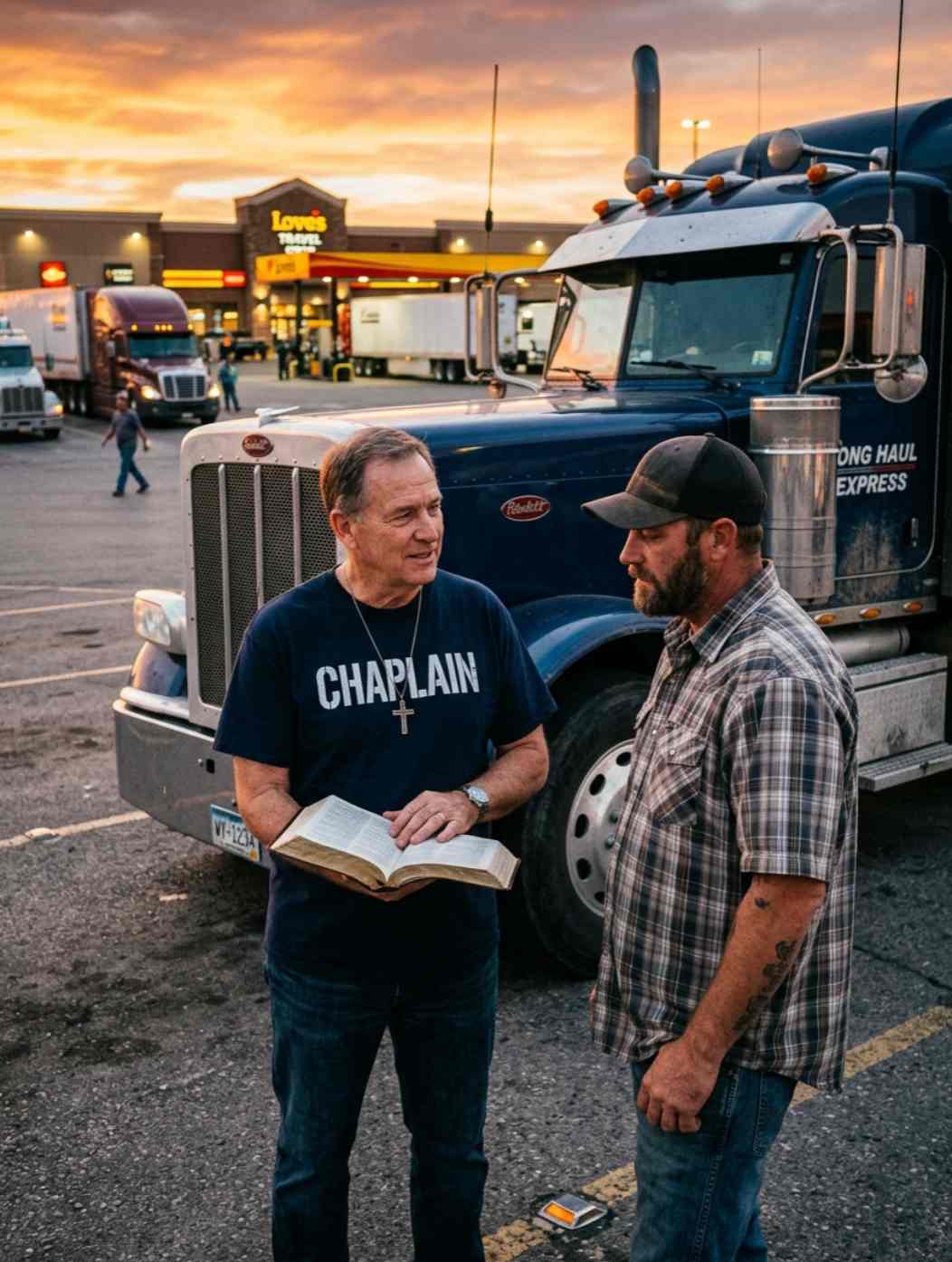
A Truck Stop Chaplain is a trained Christian presence who serves drivers, families, and truck stop communities in a mobile, high-turnover environment where church access is often limited and conversations are often brief but meaningful. This role is relational, practical, and trust-based. It is less about platform ministry and more about showing up faithfully in places where people are tired, isolated, spiritually worn down, or carrying private burdens across long miles. Truckstop Ministries describes long-running chaplain and missionary-driver models that exist specifically to minister to drivers where they are rather than waiting for them to come to traditional church settings.
A Truck Stop Chaplain may:
build trust through regular, calm presence
support drivers facing fatigue, loneliness, grief, stress, addiction pressure, or family strain
offer opt-in prayer, devotional support, or spiritual conversation without coercion
respond calmly in crisis moments involving accidents, loss, or urgent spiritual need
encourage healthy connection to local pastors, mentors, and ministry partners
support marriages and families affected by long-distance trucking rhythms
model integrity, humility, and people-smart ministry in transient settings
This role requires presence without pressure. The setting changes fast. People come and go. Trust may be fragile. A chaplain must know how to serve without manipulation, how to witness without forcing, and how to build spiritual stability in a world defined by movement. That is part of why a repeatable pattern of prayer, listening, Scripture, and care can be so valuable in truck stop ministry.
Learn what Truck Stop Chaplaincy Training Course is About!
The Truck Stop Chaplaincy Training Course is a free, one-module online ministry program designed to equip volunteer and part-time chaplains to serve truck drivers, trucking families, and truck stop communities with wisdom, compassion, and a Christ-centered presence. The course prepares chaplains to minister in truck stops, rest areas, highways, and other mobile environments where long hours, isolation, family separation, crisis, and spiritual fatigue are common. Students learn to provide spiritual care, prayer, relational support, and ethical chaplaincy presence in places where traditional church access is often limited.
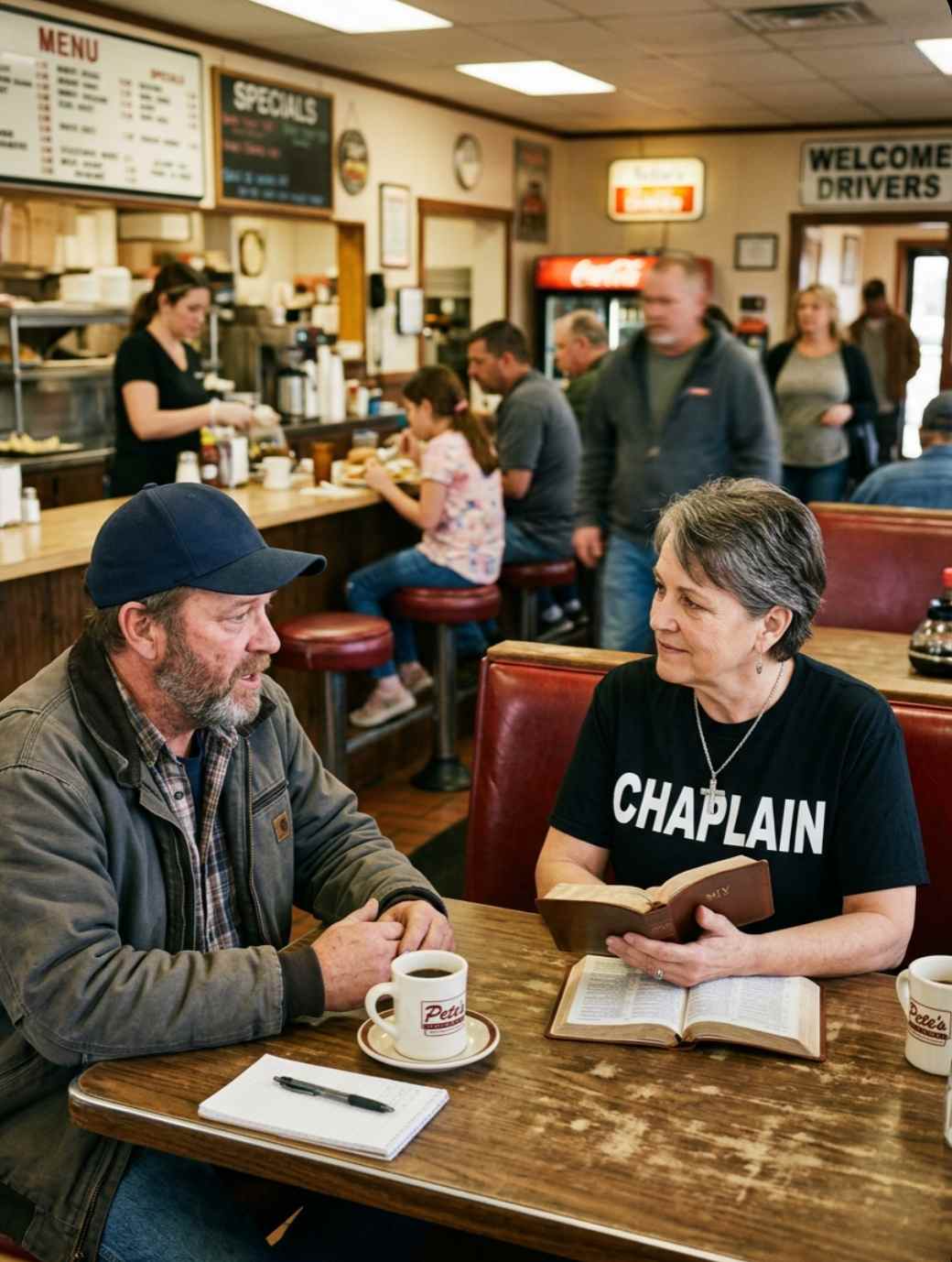
Grounded in biblical theology and informed by Ministry Sciences, this training emphasizes people-smart chaplaincy built on trust, listening, integrity, healthy boundaries, and relational wisdom. Because ministry in trucking environments often happens in brief encounters, chaplains learn how to serve effectively through simple yet meaningful moments—conversations at a counter, prayer beside a truck, rest-area visits, follow-up connections, or introductions to local pastors and support resources.
A unique focus of the course is developing a Soul Center Practice—a repeatable rhythm of prayer, Scripture, listening, and care that provides spiritual stability for drivers living constantly on the move. Students also learn how to respond wisely to crisis situations such as accidents, addiction, grief, marriage strain, and emotional exhaustion while supporting drivers and families through relational evangelism and community partnerships. This course provides preparation for chaplaincy practice, while ministry placement depends on local relationships, outreach partnerships, site permissions, and ministry approvals.
You Will Learn to:
Define the biblical calling and unique ministry role of a truck stop chaplain.
Serve truck drivers and their families through consistent presence, prayer, and relational care.
Respond wisely to crisis situations involving accidents, addiction, grief, and loss along the road.
Practice relational evangelism rooted in trust, discernment, and respectful spiritual conversation.
Provide consent-based spiritual care through opt-in prayer, devotions, and conversation without coercion.
Maintain integrity, boundaries, and accountability in transient ministry settings.
Develop spiritual self-care rhythms that help prevent burnout.
Recognize referral thresholds and respond wisely when concerns exceed chaplain scope.
Support drivers’ marriages and families across long distances.
Multiply ministry by equipping others to carry prayer and compassion forward.
Sustain long-term ministry through healthy rhythms, supervision, and a public witness that avoids grandstanding.
What a Truck Stop Chaplain Is Not:
not a therapist
not a medical provider
not a legal advisor
not a transportation safety officer
not a replacement for local church leadership
not a coercive evangelist
not above truck stop policy or partner-ministry expectations
not a fixer for every crisis on the road
not free to ignore referral thresholds in addiction, self-harm, abuse, or emergency situations
not called to perform ministry for attention rather than faithful service
Why This Training Matters
Truck stop chaplaincy matters because life on the road can be spiritually quiet yet emotionally demanding. Many drivers carry loneliness, fatigue, grief, family strain, and stress while having limited access to regular church community due to constant travel.
Trucking ministries and truck stop chapel networks exist because this mission field is real and ongoing. Effective truck stop ministry requires more than kind words—it calls for prepared chaplains who can offer steady presence, wise care, and Christ-centered support.
A Wise Truck Stop Chaplain Can Bring:
calm instead of panic
prayer with permission
presence instead of pressure
spiritual care with boundaries
hope instead of empty words
trust instead of intrusion
Many meaningful ministry doors in transportation communities begin through faithful local presence, truck-stop outreach relationships, church partnerships, driver-to-driver ministry, and mobile chaplain service. This course is especially well positioned for those pathways. It prepares Christian leaders to serve where people are moving, hurting, working, and often spiritually overlooked.
Christian Leaders Institute: Two Schools, One Chaplain Training Mission
Christian Leaders Institute offers chaplain training through two schools, so you can match your preparation to your calling and goals.
1) Christian Development School (CDS): Volunteer & Part-Time Chaplain Training
The Christian Development School provides free-access, donor-supported ministry for adult learners. This pathway is especially well-suited for:
Volunteer chaplains
Part-time ministry leaders
Church visitation team leaders
Learners exploring chaplaincy calling
Those wanting structured preparation without beginning in a degree track
For Truck Stop Chaplaincy, CDS is a wise entry point for those serving in marketplace ministry, truck-stop outreach, local church mission efforts, and mobile environments.
CDS is a strong fit if you want:
Free-access, study-based chaplain training
Specialized chaplain coursework
Practical, ministry-ready tools
Flexible learning as you serve
2) Leadership Excellence School (LES): Degree-Based Chaplaincy Preparation
The Leadership Excellence School is the degree pathway at Christian Leaders Institute. It offers structured academic formation that may strengthen long-term vocational growth, ministry leadership, and future study.
For some students, LES may become a stepping stone toward broader pastoral, chaplaincy, or ministry leadership roles. But this specialization remains especially strong as a volunteer and part-time ministry pathway for those called to transportation communities
Depending on program and relevance, students may pursue:
Associate Degree in Chaplaincy
Bachelor Degree in Chaplaincy
This pathway is especially useful for those seeking stronger academic formation, long-term ministry development, and expanded leadership preparation.
LES is a strong fit if you want:
A documented degree pathway for vocational ministry or professional development
Deeper academic structure and longer-term credibility
Preparation aligned with paid or institutional chaplaincy goals
Pathways Toward a Full-Time Career in Truck Stop Chaplaincy
Truck stop chaplaincy should be described honestly. Some service opportunities are volunteer-based, and many are part-time outreach roles. A smaller number may develop into more established ministry positions depending on local partnerships, ministry networks, or truck stop outreach organizations.
In many institutional settings, the path toward full-time chaplaincy may include:
a Master of Divinity (MDiv) or similar graduate degree
supervised ministry experience
agency approvals, background checks, and policy training
proven care experience in high-boundary environments
Christian Leaders Institute does not replace every traditional hiring pathway. Instead, CLI helps students take real steps toward calling discernment, study-based training, volunteer service, and future readiness.
Calling Discernment Through Volunteer Chaplaincy Formation
Volunteer service is often the best place to begin. It helps chaplains learn truck-stop culture, build trust, understand driver realities, and serve with humility before seeking broader responsibility.
Bachelor-Level Preparation as a Stepping Stone to Graduate Study
Bachelor-level preparation may strengthen future ministry leadership options for students who later sense a call toward broader chaplaincy, pastoral care, or outreach leadership.
Alternative and Local Pathways Through Volunteer Service
Many meaningful opportunities come through local church partnerships, truck-stop ministry networks, chapels, missionary-driver service, and community outreach tied to transportation hubs. Those local pathways often matter more than formal title language.
Strengthening the Possibility of Full-Time Chaplaincy
In some settings, full-time chaplaincy may be strengthened by:
sustained volunteer ministry experience
supervision and accountability
nonprofit or church partnerships
pastoral care training
local site approvals
proven maturity in high-trust, high-boundary ministry settings
board certification or specialty certifications in some roles
deeper theological study where useful
A Wise Starting Point
A wise starting point is to pursue study-based truck stop chaplain formation, serve where relationships and permissions open doors, and let faithfulness, trust, and calling shape whatever may come next.
Moodle Delivery: Study While You Serve
Christian Leaders Institute courses are delivered through the Moodle platform at:
This format works especially well for busy adults, volunteers, and bi-vocational leaders.
The CLI → CLA Pathway: Training to Ordination
Christian Leaders Institute and Christian Leaders Alliance work together, but they do different things.
CLI = training
CLA = ordination and credentialing
Christian Leaders Store = field tools, handbooks, and optional ordination kits
Christian Leaders Alliance provides study-based volunteer and part-time clergy formation. This is not instant ordination, but study-based preparation for competency, confidence, and credibility. Ordination follows training, endorsements, review, and a recommendation for commissioning.
The Simple Pathway
Complete the Truck Stop Chaplain specialization and related formation steps.
Begin the Christian Leaders Alliance ordination pathway, which is free to participate in and donor-supported.
Submit endorsement(s) as part of the review process.
Complete profile updates and review steps required for credibility and readiness.
Receive commissioning, with laying on of hands recommended.
Order credentials and/or ordination kits if desired, which may include optional costs.
Who This Free Truck Stop Chaplain Training Pathway Is For
This pathway prepares individuals who sense a calling to minister within transportation and travel communities. Whether you are just beginning or expanding an existing ministry role, this pathway helps you move forward with clarity, preparation, and purpose.
A) Volunteer Chaplains
People who feel called to serve those often overlooked — truck drivers, travelers, logistics workers, and transportation staff who spend long periods away from home, family, and church community.
B) Part-Time Chaplains
People who feel called to serve those often overlooked — truck drivers, travelers, logistics workers, and transportation staff who spend long periods away from home, family, and church community.
C) Professional Chaplains Seeking Specialization
Experienced chaplains who desire additional preparation for marketplace ministry settings. Those already serving in churches, hospitals, corrections, or community chaplaincy may pursue specialized training to minister effectively among transportation workers and traveling communities.
A Clear 7-Step Chaplain Training Plan
A calling becomes effective when supported by preparation. This Free Truck Stop Chaplain Training plan guides you from initial interest to ministry readiness and possible ordination.
🥾 Step 1: Clarify Your Calling and Chaplain Setting
Discern where God may be leading you — truck stops, travel centers, rest areas, logistics hubs, or transportation outreach ministries. Understanding your ministry environment helps shape expectations, relationships, and ministry approach.
🥾 Step 2: Choose Your Training Level (CDS or LES)
Students may begin in the Christian Development School (CDS) for accessible ministry preparation or continue into the Leadership Excellence School (LES) for deeper theological and leadership development.
🥾 Step 3: Begin Study-Based Chaplain Training in Moodle
Complete online training at your own pace through Christian Leaders Institute. Coursework builds biblical foundations, chaplain identity, pastoral care skills, evangelism awareness, and ministry preparation for marketplace environments.
🥾 Step 4: Practice Presence-Based Ministry with Boundaries
Truck stop chaplaincy is ministry of presence. Learn to offer encouragement, prayer, and spiritual care while respecting workplace culture, personal boundaries, and diverse backgrounds of travelers and workers.
🥾 Step 5: Build Credibility and Trust Locally
Effective chaplain ministry grows through consistency and character. Trust develops as you listen well, show compassion, respect confidentiality, and become a steady Christian presence for drivers, employees, and travelers.
🥾 Step 6: Pursue Chaplain Ordination Through CLA (If Called)
Some students will sense a call to formal recognition and ordination. Through the Christian Leaders Alliance, you may complete endorsements, update your ministry profile, and receive clergy credentials that affirm your chaplain calling.
🥾 Step 7: Equip Your Ministry with Handbooks and Field Tools
Training is strengthened when you have practical ministry tools. Handbooks, field guides, ceremony resources, and ministry supports can help you serve with greater readiness and confidence.
Chaplaincy Specializations (Training Clusters)
Chaplain training is not one-size-fits-all. CLI’s strength is specialization-focused training.
Chaplain Testimony: David Feoli — A Calling to Meet People on the Road
Every chaplain’s journey begins with a growing sense that God is calling them to care for others in deeper and more intentional ways. Many Christian Leaders Institute students discover that chaplaincy is not about a title but about becoming a Christ-centered presence who offers prayer, encouragement, and compassion in real-life situations. David Feoli’s story reflects this kind of calling shaped through faith, struggle, and renewal.
David recalls first sensing a connection with Christ during his early teenage years. Church and Sunday school were familiar parts of life, but one unexpected moment made faith personal. As he explains, something changed inside him that day, awakening a desire to serve others. Simple acts of helping at church gradually formed a deeper passion to make a difference, showing how small steps of service often grow into a lifelong ministry calling.
Like many future chaplains, David’s path included difficult seasons. He experienced times of spiritual distance, family challenges, and personal struggles that left him searching for direction. Yet even during those moments, he recognized God’s faithfulness. Reflecting on that season, David shares that despite his mistakes, God never left him — a realization that deepened both his humility and compassion for others facing hardship.
In December 2023, David experienced a turning point when he felt God calling him back to faith and community. He returned to church ready to rebuild, not as someone perfect but as a learner growing in grace. Through that renewal, he came to understand that struggles do not define a person — God’s love does. This perspective now shapes his desire to serve people who carry unseen burdens and need hope grounded in Christ.
Christian Leaders Institute’s chaplain training has helped David move from a general desire to serve toward practical ministry readiness. He is developing skills in listening, prayer, encouragement, and spiritual care while growing in servant leadership. Drawn to the program’s biblical foundation and accessibility, he describes the training as strengthening both his spiritual growth and confidence to serve others faithfully.
David now feels called toward Truck Stop Chaplaincy, a ministry focused on meeting drivers and travelers exactly where they are — often far from home and carrying emotional and spiritual weight alongside their daily responsibilities. His testimony reflects how God uses restoration, perseverance, and faith to prepare chaplains for specialized ministry. Through Free Truck Stop Chaplaincy Training, David hopes to bring Christ’s love, encouragement, and presence to people living life on the road.
Accreditation Status and Public Listing
Christian Leaders Institute provides a public accreditation-status page. The U.S. Department of Education hosts the Database of Accredited Postsecondary Institutions and Programs (DAPIP), where institutional listings can be verified.
Begin with study-based chaplain training at Christian Leaders Institute, complete the Truck Stop Chaplaincy course, and grow through service in truck-stop outreach, church partnerships, mobile ministry, and transportation-community support.
Are these truck stop chaplain training courses free?
CLI offers free-access, donor-supported ministry training. Some degree services, credentials, or optional store tools may involve costs.
Is this mainly for volunteer chaplaincy?
Yes. This specialization is especially strong for volunteer and part-time chaplaincy in truck stops, rest areas, church partnerships, mobile ministry, and marketplace outreach
What does a truck stop chaplain do?
A truck stop chaplain offers prayer, listening, relational support, crisis response, and Christ-centered spiritual care to drivers, families, and truck stop communities
Can drivers themselves serve as chaplains?
In some ministry models, yes. Trucking ministry organizations describe missionary-driver or embedded driver ministry roles built around serving other drivers while living in the trucking world.
Why does trucking ministry need chaplains?
Because many drivers experience long work hours, family separation, stress, and loneliness, while regular church access may be limited by life on the road.
What is a Soul Center Practice?
It is a repeatable rhythm of prayer, listening, Scripture, and care designed to help create spiritual stability for drivers in a constantly moving world.
What is the difference between training and ordination?
CLI provides training. CLA provides ordination and credentialing. Training prepares you for service; ordination follows study, endorsements, review, and recommended commissioning.
Is CLA ordination instant?
No. Christian Leaders Alliance provides study-based volunteer and part-time clergy formation. It is not instant ordination.
How long does training take?
This one-module course allows 180 days from enrollment, and students can move at their own pace.
Start Your Truck Stop Chaplain Training
If you want to serve truck drivers, families, and transportation communities with wisdom, compassion, and Christ-centered presence, this course is a strong place to begin.
Choose your track:
Christian Development School (Volunteer/Part-Time)
Free People Skill Confidence Course Online Christian Growth Course + Biblical Foundation for Christ-Centered Relationships Grow in Relational Confidence Through Grace, Wisdom, and Christlike Presence Have you ever wished you felt more confident with people? Many people want better relationships. Perhaps you struggle to start conversations, feel awkward in groups, avoid conflict, find it difficult […]
Free Spiritual Growth Course: Introduction to Spiritual Growth Online Christian Formation Course + Biblical Foundation for Lifelong Growth Understand Spiritual Growth Through God’s Story and Your Place in It Have you ever wondered what it truly means to grow spiritually? Perhaps you’re exploring Christianity for the first time. Maybe you’re returning to your faith after […]
Free Soul Coaching Course: Soul Coaching Skills Online Training Courses + Study-Based Ordination Pathway Learn How to Encourage Spiritual Growth with Wisdom, Prayer, and Care Do you have a heart to encourage others? Maybe people come to you when they are struggling, discerning a decision, rebuilding their walk with God, or trying to take a […]
Your Path into Truck Stop Chaplain Training Starts Here
If you are visiting this page because you sense a call toward chaplain ministry—especially serving truck drivers, travelers, and transportation communities—you are not alone. Many people begin searching for a Free Truck Stop Chaplain Training Course because they want to bring encouragement, prayer, and Christ-centered care to those who spend much of life on the road.
That is where Christian Leaders Institute can help.
Study Online on Your Schedule
Christian Leaders Institute offers a Free Truck Stop Chaplain Training Course through its online learning environment. This allows you to prepare for chaplain ministry while continuing your work, church involvement, or family responsibilities. You do not need to relocate or interrupt your current commitments to begin training.
Many future truck stop chaplains start with a question like this:
Where can I find a Free Truck Stop Chaplain Training Course that is credible, Christian, and appropriate for real transportation ministry environments?
Christian Leaders Institute was built to help answer that question.
Accessible Training with Real Ministry Value
The goal of a Free Truck Stop Chaplain Training Course is not just information—it is formation. This training prepares chaplains to serve truck drivers, travelers, and transportation workers with wisdom, emotional steadiness, and spiritual maturity shaped by real-world ministry needs.
Truck Stop Chaplains often serve in situations such as:
Supporting drivers experiencing loneliness or extended time away from family
Walking alongside individuals facing personal struggles while on the road
Offering prayer and encouragement during stressful travel schedules
Providing spiritual conversations in informal, everyday environments
Representing Christ through presence, compassion, and listening
This training helps you show up with care, clarity, and appropriate boundaries in environments where trust is built through consistent presence.
Choose the Training Path That Fits Your Calling
Christian Development School (CDS)
A strong starting point for volunteer and part-time truck stop chaplains seeking accessible and practical ministry preparation. This pathway helps you develop pastoral care skills while remaining active in work, church life, or community ministry.
Leadership Excellence School (LES)
For those pursuing advanced ministry development, leadership training, and degree pathways that expand opportunities in transportation ministries, community outreach programs, missions work, and organizational chaplain service.
A Simple Pathway for Truck Stop Chaplain Training
Many prospective students want a clear picture of what the process looks like.
Start with study-based chaplain preparation
Begin online courses that introduce pastoral care, active listening, ethical ministry practice, and spiritual formation.
Focus on truck stop-centered chaplaincy
Develop skills specific to working with truck drivers, travelers, logistics workers, and transportation communities, including understanding long-haul lifestyles, isolation challenges, and ministry through presence.
Learn while staying active in daily life
Complete training at your own pace while balancing work schedules, family responsibilities, and church involvement.
Practice presence with strong boundaries
Truck stop chaplaincy requires humility, confidentiality, emotional intelligence, and respect for diverse backgrounds and workplace environments.
Build trust and credibility
Drivers and travel center staff value authentic relationships formed through consistency, reliability, and servant-hearted leadership.
Pursue ordination if called
Some students continue toward chaplain ordination through the Christian Leaders Alliance for recognized ministry standing.
Strengthen your work with practical ministry resources
Access tools and guidance that help chaplains serve effectively in truck stops, travel plazas, rest areas, and transportation communities.
What Makes This Training Pathway Different
Truck stop chaplaincy requires more than enthusiasm for outreach. It calls for spiritual maturity, relational wisdom, and preparation suited to real ministry environments on the road.
This training emphasizes:
Biblical formation rooted in Christian faith and servant leadership
Healthy boundaries for trustworthy care
Consent-based spiritual support without pressure or coercion
Practical readiness for real-world transportation ministry situations
Accessibility through donor-supported free access learning
Flexibility for people balancing ministry with work, family, and church life
Specialized preparation for truck drivers, travelers, and roadside communities
The goal is not simply completing courses, but becoming a trusted pastoral presence within transportation culture.
Continue Your Truck Stop Chaplain Journey
If you sense a calling to serve truck drivers, travelers, and those living life on the road, this may be the right time to begin preparing for truck stop chaplain ministry.
A Free Truck Stop Chaplain Training Course can help you move forward with clarity, confidence, and practical preparation while remaining active in your current responsibilities.
You may want to explore:
Truck stop chaplain training courses
Specialized chaplaincy pathways
Degree options through LES
Ordination through the Christian Leaders Alliance
Practical ministry tools and field resources
Truck stop chaplaincy is ultimately about presence — being available during long journeys, difficult seasons, and everyday moments where encouragement and spiritual care matter most.
Christian Leaders Institute exists to make chaplain training accessible so more leaders can serve transportation communities with wisdom, compassion, and integrity.