Online Chaplain Training Courses + Study-Based Ordination Pathway
Are you called into Hospice Chaplaincy?
This free hospice chaplain training prepares volunteer, part-time, and full-time chaplains to provide compassionate, presence-based spiritual care in hospice settings. Students learn how to serve patients and families with calm support, clear boundaries, grief awareness, prayer, and Scripture-rooted hope during end-of-life care.
At Christian Leaders Institute, this free hospice chaplain training is donor-supported, study-based, and designed for practical ministry preparation. Students can start in the Christian Development School, continue into the Leadership Excellence School for degree-based study, and pursue a study-based ordination pathway through Christian Leaders Alliance that is grounded in real training, endorsements, review, and credibility.
Free to Access. Study-Based. Rigorous.
Christian Leaders Institute offers free-access hospice chaplain training through donor support. Learners around the world can begin serious chaplain formation without paying tuition for course accessThis training is not casual or promotional. It is structured, ministry-ready, and built for real hospice care settings. Students work through guided lessons, quizzes, and applied learning that help them develop confidence, clear boundaries, and practical spiritual care skills for serving patients and families.
This training is not casual or built on hype. It is structured, practical, and designed for real hospice ministry settings. Students complete guided lessons, quizzes, and applied learning that help them grow in confidence, healthy boundaries, and spiritual care skills for end-of-life ministry.
Free does not mean casual. Study-based means prepared.
Important clarity: course access is free; degree services and credential services may include low-cost administrative fees (depending on the pathway you pursue).
Program Fit
Volunteer, or part-time chaplaincy ministry in hospice settings. Also helpful for local church visitation ministry leaders and care teams.
Hospice chaplain ministry prepares caregivers to serve in end-of-life settings through bedside spiritual care, family support, grief ministry, prayer, calm presence, and compassionate encouragement. This role may include hospice visitation, comfort during decline, support during active dying, follow-up care for loved ones, staff encouragement as permitted, and church-based hospice chaplaincy.
Christian Leaders Institute Empowers World Leaders with Free Online Correspondence Courses
What Is a Hospice Chaplain?
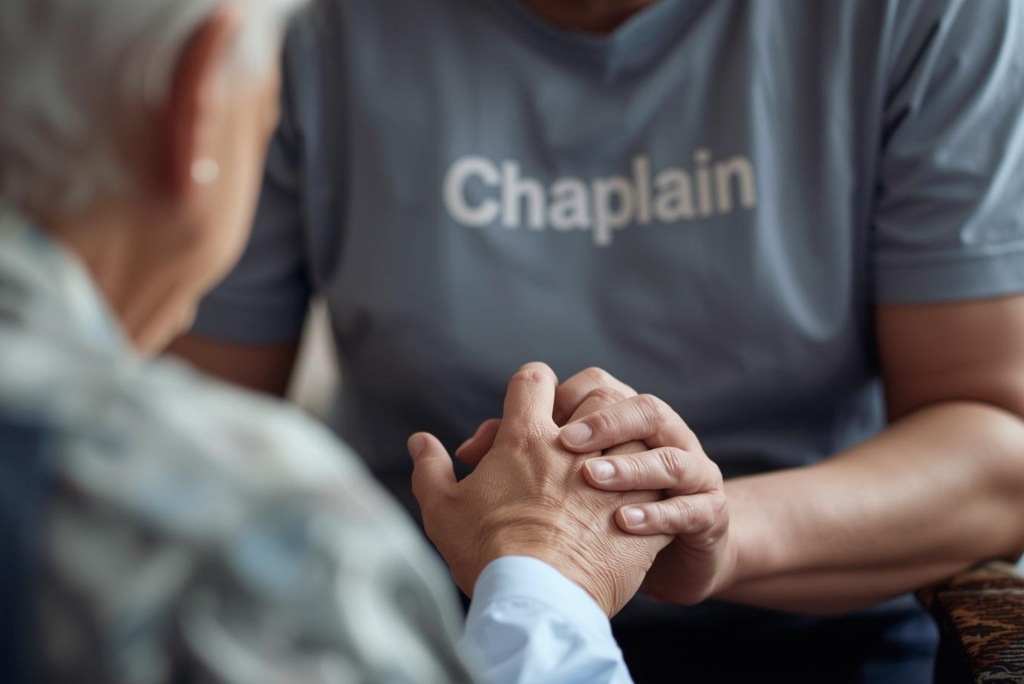
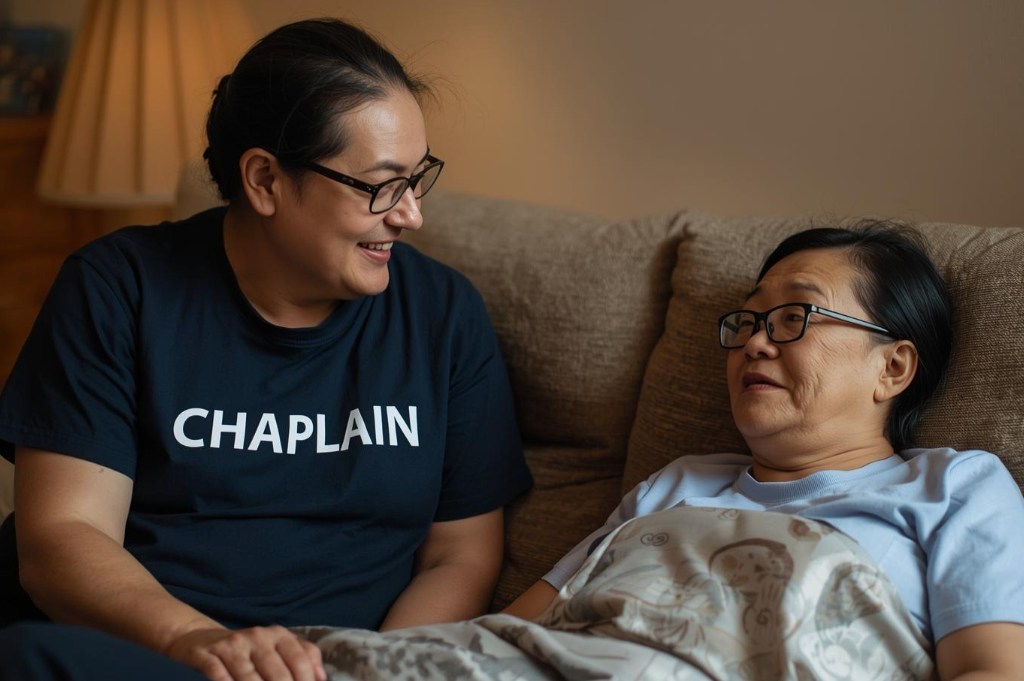
A hospice chaplain is a trained spiritual care leader who provides compassionate, consent-based support to patients and families as they walk through serious illness, dying, and grief. This ministry often includes attentive listening, prayer by permission, appropriate Scripture encouragement, emotional and spiritual support, and a steady presence during some of life’s most sacred and difficult moments.
Hospice chaplaincy requires more than good intentions. It calls for:
Clear role awareness
Consent-based care
Healthy boundaries
Policy alignment
Referral readiness
Integrity in emotionally intense moments
Hospice chaplaincy requires more than a caring heart. It calls for clear role awareness, consent-based care, healthy boundaries, policy alignment, referral readiness, and integrity in emotionally intense moments. At Christian Leaders Institute, hospice chaplain training helps students prepare for faithful service in these settings while recognizing that actual placement depends on local hospice policies, onboarding requirements, and organizational approval.
A hospice chaplain may serve in settings such as:
Hospice houses
Private homes
Nursing homes and assisted living communities
Long-term care settings
Hospital-based hospice units
Inpatient palliative care settings
Family rooms and gathering spaces
Church-based hospice visitation ministires
Why it Matters!
This matters because hospice chaplaincy brings spiritual care into one of the most tender seasons of life. Patients and families often face fear, grief, questions, and deep emotional strain. A trained hospice chaplain can offer calm presence, compassionate listening, prayer, and Christ-centered hope in moments when comfort and spiritual support matter most.
Learn what Hospice Chaplaincy Training Course is all About!
Hospice Training Course Outcomes
By the end of this course, students should be able to:
Define the hospice chaplain role and practice presence without pressure.
Build trust at the bedside through calm presence, wise listening, and dignity-centered care.
Apply ethics and confidentiality in hospice settings, including documentation and team communication expectations.
Provide consent-based spiritual care through opt-in prayer, Scripture, and spiritual conversation.
Recognize and respond to spiritual distress with compassion and clarity.
Support families through anticipatory grief, conflict, and complicated dynamics without triangulating.
Serve well during the final hours with steady presence and appropriate ritual support when requested.
Practice bereavement and follow-up care with healthy boundaries, referral readiness, and sustainable ministry rhythm.
What This Hospice Chaplain Role Is Not
A hospice chaplain plays an important role, but that role also has clear limits. A chaplain is:
Not a therapist
Not a medical provider
Not a legal advisor
Not a substitute for nurses, doctors, social workers, or licensed clinicians
Not above hospice policy
Not a coercive evangelist
A trained hospice chaplain knows how to stay within the right role while still offering deep compassion and meaningful spiritual care. Healthy hospice chaplaincy means serving with humility, wisdom, emotional steadiness, and referral awareness during tender end-of-life moments.
Why This Training Matters
Hospice settings are often places of fear, uncertainty, pain, and life-changing decisions
Chaplain training Gives you:
Competence
Care Giving Abilities
Confidence
Compassion
Credibility
Calling Confirmation
Hospice chaplaincy is a unique lane of ministry care. The goal is faithful presence, wise support, and appropriate spiritual care with healthy boundaries during illness, decline, dying, and grief.
Christian Leaders Institute: Two Schools, One Hospice Chaplain Training Mission
Christian Leaders Institute offers hospice chaplain training through two schools, so you can match your preparation to your calling, experience, and ministry goals.
1) Christian Development School (CDS): Volunteer and Part-Time Hospice Chaplain Training
The Christian Development School offers free-access, donor-supported ministry training for adult learners. This pathway is especially well suited for:
Volunteer hospice chaplains
Part-time ministry leaders
Church visitation and care team leaders
Learners exploring a hospice chaplain calling
Those who want structured preparation without starting in a degree track
CDS allows students to begin studying hospice chaplaincy in a flexible, self-paced way.
CDS is a strong fit if you want:
Free-access, study-based hospice chaplain training
Specialized chaplain coursework
Practical, ministry-ready tools
Flexible learning while you serve
2) Leadership Excellence School (LES): Degree-Based Hospice Chaplain Preparation
The Leadership Excellence School is the degree pathway at Christian Leaders Institute. This is the structured academic option for students who want deeper preparation for broader ministry leadership or more formal chaplaincy opportunities.
Depending on program fit and relevance, students may pursue:
Associate Degree in Chaplaincy
Bachelor Degree in Chaplaincy
This pathway is especially helpful for those seeking stronger academic formation, long-term ministry development, and expanded leadership preparation.
LES is a strong fit if you want:
A documented degree pathway for ministry or professional development
Deeper academic structure and long-term credibility
Preparation aligned with paid or institutional chaplaincy goals
One Mission, Two Pathways
Both schools serve the same mission: to prepare hospice chaplains who can offer compassionate presence, spiritual care, healthy boundaries, and Christ-centered hope to patients and families during end-of-life care.
Here is a slightly tighter version of the heading if you want better SEO wording:
Christian Leaders Institute: Two Schools, One Hospice Chaplain Training Mission
Pathways Toward a Full-Time Career in Hospice Chaplaincy
Many people who feel drawn to hospice chaplaincy begin with a desire to serve, but they may not yet know what the long-term pathway looks like. It is important to understand that full-time vocational hospice chaplaincy often requires added academic, clinical, and organizational preparation beyond introductory training.
In many hospice organizations, the pathway toward full-time chaplaincy may include:
A Master of Divinity (MDiv) or similar graduate theological degree
Clinical Pastoral Education (CPE) or other approved clinical training
Hiring, onboarding, and approval through a hospice organization or spiritual care department
Denominational or ministry endorsement when required
Training in grief care, end-of-life support, and interdisciplinary team service
Christian Leaders Institute does not replace that traditional pathway. Instead, CLI helps students take meaningful steps in calling discernment, ministry formation, spiritual care preparation, and future readiness. It offers practical training that can help learners serve well now while also exploring whether further education and clinical preparation may be part of their long-term path into hospice chaplaincy.
Here is a slightly tighter closing line if you want it more direct:
CLI does not replace the traditional full-time pathway. It helps students begin well, serve faithfully, and prepare for what may come next
The CLI → CLA Pathway: Training to Hospice Chaplain Ordination
Christian Leaders Institute provides chaplain training and formation. The Christian Leaders Alliance provide ordination programs that are study-based and locally endorsed.
Christian Leaders Alliance (CLA) provides a credentialing and ordination pathway for those who have completed chaplain study and are ready for recognized clergy status in chaplain roles such as Hospice Chaplain.
The Simple Pathway
To begin hospice chaplain training at Christian Leaders Institute through free-access, study-based learning, complete your foundational and hospice chaplain preparation, pursue chaplain credentials or ordination through Christian Leaders Alliance, serve locally with integrity and accountability, and use handbooks and field tools from the Christian Leaders Store to strengthen your ongoing ministry.
Who This Free Hospice Chaplain Training Pathway Is For
The free hospice chaplain training pathway is designed for people at different stages of ministry who sense a calling to offer spiritual care, compassionate presence, and Christ-centered support in hospice and end-of-life settings. Whether you are just beginning or growing in an existing ministry role, this pathway can help you move forward with greater clarity and purpose.
A) Volunteer Hospice Chaplains
This pathway is a strong fit for volunteer hospice chaplains who serve in churches, nonprofits, visitation ministries, community care settings, hospice support roles, or local outreach ministries. Many faithful hospice chaplains begin as volunteers, offering prayer, encouragement, Scripture, listening, and spiritual support to patients and families during difficult seasons. Free hospice chaplain training can help volunteer chaplains grow in confidence, biblical grounding, and practical ministry skills for hospice visitation, grief support, and end-of-life care.
B) Part-Time Hospice Chaplains
This pathway also serves part-time hospice chaplains who minister a few hours each week or month. Some serve in paid roles, while others serve in bi-vocational ministry alongside another job, pastoral responsibility, or family life. Free hospice chaplain training gives part-time chaplains a flexible and affordable way to grow in their calling while building practical knowledge for real ministry situations involving comfort, grief, decline, and family care.
C) Chaplains Seeking Hospice Specialization
Experienced chaplains may also benefit from this pathway when they want added preparation for hospice ministry. A chaplain who has served in another setting may want specialized training for end-of-life care, grief presence, family support, bedside ministry, prayer during decline, or faith-sensitive care in hospice contexts. Free hospice chaplain training can provide focused development for chaplains who want to strengthen or expand their service in this deeply important role.
A Clear 7-Step Hospice Chaplain Training Plan
A calling to hospice chaplaincy grows stronger when there is a clear next-step pathway. This free hospice chaplain training plan offers a simple and practical process for moving from interest to ministry readiness.
🥾 Step 1: Clarify Your Calling and Hospice Ministry Setting
Begin by identifying where God may be leading you. Some are drawn to hospice care in private homes, hospice houses, nursing homes, assisted living communities, hospital-based hospice units, or church-based care ministries. Clarifying your calling helps you choose the right training path and ministry focus.
🥾 Step 2: Choose Your Training Level (CDS or LES)
Decide which educational pathway best fits your goals. Some students begin in the Christian Development School (CDS) for accessible ministry preparation, while others pursue the Leadership Excellence School (LES) for deeper academic development. Both can support your hospice chaplain journey.
🥾 Step 3: Begin Study-Based Hospice Chaplain Training in Moodle
Start your free hospice chaplain training through Moodle, where you can study online at your own pace. This approach makes it possible for students in many places and life stages to begin training without the barriers of a traditional classroom.
🥾 Step 4: Practice Presence-Based Ministry with Boundaries
Hospice chaplaincy is not only about what you say. It is also about how you show up. Learn to offer calm, compassionate, presence-based ministry while honoring emotional, spiritual, ethical, and organizational boundaries.
🥾 Step 5: Build Credibility and Trust Locally
As you grow in hospice chaplain training, credibility matters. Trust is built through faithfulness, maturity, humility, good character, and steady ministry presence. Local relationships often open doors for meaningful hospice ministry opportunities.
🥾 Step 6: Pursue Chaplain Ordination Through CLA (If Called)
Some students will sense a call to formal recognition and ordination. If that is your path, you may pursue chaplain ordination through the Christian Leaders Alliance as part of your broader ministry development and public ministry credibility.
🥾 Step 7: Equip Your Ministry with Handbooks and Field Tools
Training grows stronger when supported by practical ministry tools. Handbooks, field guides, ceremony resources, and ministry supports can help you serve with greater readiness and confidence in hospice, grief, and caregiving settings.
Chaplaincy Specializations (Training Clusters)
Chaplain training is not one-size-fits-all. CLI’s strength is specialization-focused training.
I believe my calling is to support, minister to, and provide spiritual guidance to those nearing the end of life, as well as to their families.
My journey into ministry began when I started volunteering at a hospice center, where I discovered great joy in comforting those who felt alone or afraid. Through my training with our hospice chaplain and by observing her work, I came to understand that God had a purpose for me in this kind of volunteer service. My experiences as a hospice volunteer have deeply shaped my understanding of the needs of those I serve and have strengthened my desire to pursue a path in ministry.
One particularly memorable evening, I spent time with a patient who had no family or friends to visit him. He spoke and moved as if he had months left to live, but sadly, he was only days away from death. Although he joked about dying, I could sense his deep fear. I spent that evening bringing him artwork, listening to stories from his past, and offering spiritual support. Before I left, I decided that on my next visit, two days later, I would bring him more artwork and some snacks. Sadly, when I returned, I learned that he had passed away. I regretted not being there for him in his final moments. It felt like a missed opportunity to offer comfort at the end of his life.
Many volunteers shy away from direct patient care and choose administrative duties instead, but I feel strongly drawn to be present for those who need me most. I have worked with patients surrounded by loving families who were transitioning peacefully, but often it was the family members who sought comfort from me. Many thanked me with hugs and expressed gratitude for the kindness I showed during such a difficult time.
After several months of volunteering, I felt a strong desire to serve as a hospice chaplain. That calling led me to research educational pathways, and I eventually discovered the Christian Leaders website, where I enrolled as a student. While I am not yet active in formal ministry, my studies are preparing me for that future. The Bible emphasizes the importance of caring for the elderly and for those in need. Although not everyone in hospice care is elderly, I feel a deep responsibility to serve those who need compassion, presence, and support.
The challenges of ministry can be daunting. I have encountered negative opinions about my volunteer work, yet I remain firm in my commitment. These challenges, including the criticism I face, are part of fulfilling my calling. I am determined to persevere, trusting that the training I receive will equip me with the skills I need to navigate the complexities of ministry.
My coursework has taught me how to develop my vision and guard against vision killers. My vision includes counseling others, providing spiritual support, and comforting those in distress. I aspire to lead many people to God, so that those who are nearing death may find peace in knowing Him and look forward to eternity with Him. I pray that the Holy Spirit will guide me as I seek to bring comfort and hope to the lives of those I encounter. This journey, though challenging, is one I embrace wholeheartedly, because it aligns with my deepest convictions and desire to serve.
Accreditation Status and Public Listing
CLI provides a public accreditation-status explanation page. The U.S. Department of Education’s Office of Postsecondary Education hosts the Database of Accredited Postsecondary Institutions and Programs (DAPIP), where accreditation-related listings can be searched and verified.
A common path is to begin with structured chaplain training, develop ministry skills, understand boundaries and care expectations, and then pursue opportunities that fit hospice and end-of-life settings. At Christian Leaders Institute, students can begin with free-access, study-based training and then explore degree pathways or study-based ordination options through Christian Leaders Alliance.
Are the courses free?
Yes. Christian Leaders Institute offers free-access, donor-supported training. That means the learning itself is available without tuition cost for course access. Some degree-related administrative services, credentials, or optional kits may involve costs depending on the pathway.
Do I need a degree to serve as a hospice chaplain?
Not always. Some volunteer, church-based, or community hospice visitation roles may not require a degree, while some paid or organizational roles may prefer or require one. That is why CLI offers both Christian Development School training and Leadership Excellence School degree pathways.
What is the usual path to full-time hospice chaplaincy?
In many hospice organizations, the usual path to full-time chaplaincy may include a graduate theological degree such as a Master of Divinity, clinical training such as Clinical Pastoral Education (CPE) or similar preparation, and approval through the hospice organization’s hiring and onboarding process. Christian Leaders Institute helps students begin that journey through calling discernment, foundational preparation, volunteer chaplain formation, and practical ministry growth.
What is the difference between training and ordination?
Training develops knowledge, skill, and readiness. Ordination is a separate recognition and credentialing process. At CLI, training happens through coursework. At CLA, ordination is study-based, endorsement-confirmed, and reviewed. It is not instant.
Can I serve part-time?
Yes. This training is especially useful for volunteer and part-time hospice chaplaincy ministry, while also helping full-time learners prepare for broader service opportunities.
Is this program recognized?
Christian Leaders Institute provides public accreditation information and structured educational pathways. Recognition for actual service roles depends on the ministry context, hospice organization requirements, local policies, and role expectations.
How long does training take?
That depends on the student’s pace. This course is structured as a 2-module, 12-topic course with a 180-day deadline from enrollment, allowing students to move forward steadily while managing real-life responsibilities.
Is CLA ordination instant?
No. Christian Leaders Alliance ordination is not instant. It is a study-based pathway designed for competency, confidence, and credibility. It follows training, endorsements, review, and recommended commissioning.
Next Steps: Start Your Hospice Chaplain Training
If you feel called to bring Christ-centered care into hospice settings with calm presence, wise boundaries, and compassionate spiritual support, this course is a strong place to begin.
Choose your track:
Christian Development School (Volunteer/Part-Time)
Free People Skill Confidence Course Online Christian Growth Course + Biblical Foundation for Christ-Centered Relationships Grow in Relational Confidence Through Grace, Wisdom, and Christlike Presence Have you ever wished you felt more confident with people? Many people want better relationships. Perhaps you struggle to start conversations, feel awkward in groups, avoid conflict, find it difficult […]
Free Spiritual Growth Course: Introduction to Spiritual Growth Online Christian Formation Course + Biblical Foundation for Lifelong Growth Understand Spiritual Growth Through God’s Story and Your Place in It Have you ever wondered what it truly means to grow spiritually? Perhaps you’re exploring Christianity for the first time. Maybe you’re returning to your faith after […]
Free Soul Coaching Course: Soul Coaching Skills Online Training Courses + Study-Based Ordination Pathway Learn How to Encourage Spiritual Growth with Wisdom, Prayer, and Care Do you have a heart to encourage others? Maybe people come to you when they are struggling, discerning a decision, rebuilding their walk with God, or trying to take a […]
Your Path into Free Hospice Chaplain Training Begins Here
If you have arrived at this page because you feel drawn to care for people near the end of life, you are not alone. Many people begin looking for free hospice chaplain training because they want to serve individuals and families during some of life’s most sacred and difficult moments. They want training that is Christian, practical, and financially accessible. They also want a path that helps them serve with compassion, wisdom, and confidence.
That is where Christian Leaders Institute can help.
Learn Online Without Putting Life on Hold
Christian Leaders Institute provides free hospice chaplain training through its online learning platform at www.christianleaders.org. This allows you to prepare for ministry while continuing with work, family responsibilities, church involvement, and daily life. You do not need to move, leave your job, or wait for a different season to begin preparing.
Many future hospice chaplains begin with a question like this:
Where can I find hospice chaplain training that is biblical, practical, and affordable enough to begin right now?
Christian Leaders Institute was created to help answer that question.
Chaplain Training That Is Accessible and Ministry-Focused
The purpose of free hospice chaplain training is not simply to give information. The goal is to help form chaplains who can serve patients and families with spiritual sensitivity, emotional steadiness, healthy boundaries, and Christ-centered hope.
Christian Leaders Institute offers study-based training designed especially for those preparing for volunteer, part-time, and developing ministry roles. The training helps students grow in real ministry readiness for hospice environments, home visits, care facilities, long-term care settings, and other places where spiritual care is deeply needed.
Choose the Learning Path That Fits Your Calling
Christian Leaders Institute offers more than one entry point for chaplain preparation, so students can choose the path that best matches their goals and stage of life.
Christian Development School (CDS)
The Christian Development School is a strong starting point for many volunteer and part-time hospice chaplains. It offers donor-supported, free-access ministry training that helps students begin learning in a practical and flexible way. For many who are exploring hospice ministry, CDS is the most natural place to start.
Leadership Excellence School (LES)
The Leadership Excellence School offers a more formal academic pathway for students who want college-level study and broader ministry development. This may include degree options for those preparing for expanded opportunities in chaplaincy and ministry leadership.
A Simple Way to Begin Hospice Chaplain Training
Many prospective students want a clear sense of what the process looks like. Here is a simple pathway for getting started in free hospice chaplain training.
Begin with study-based chaplain preparation Start with online courses that introduce chaplain ministry in a serious, accessible, and ministry-centered way.
Focus on the ministry setting that fits your calling Some students are especially drawn to hospice care and end-of-life ministry. Others may later explore related chaplain roles in hospitals, long-term care, corrections, veterans ministry, or local church care settings. Identifying your setting helps make your preparation more focused.
Study while staying active in everyday life Because the training is online, you can move through the coursework at your own pace while continuing your family, church, work, and ministry responsibilities.
Grow in presence-based care and healthy boundaries A hospice chaplain needs more than a kind heart. This role requires the ability to listen well, remain calm, respect limits, honor consent, and serve people with spiritual care that is wise and appropriate.
Develop trust and local ministry credibility Credibility grows through faithful service, emotional maturity, humility, and steady character. Good training helps support that growth and prepares students to serve with greater confidence.
Explore ordination if that becomes part of your path Some students who complete hospice chaplain preparation may also sense a call toward chaplain credentials or ordination through the Christian Leaders Alliance. This offers a study-based process for recognized ministry standing.
Use practical tools to strengthen your ministry Handbooks, field guides, and ministry resources can help chaplains continue growing and serving with greater clarity and confidence over time.
What Makes This Hospice Chaplain Pathway Distinct
Christian Leaders Institute places special value on serving volunteer and part-time chaplains. That matters because many people called to hospice ministry are not beginning with a full-time professional chaplain role. They are beginning with a sincere burden to care well for people who are dying, grieving, or walking through loss.
This free hospice chaplain training pathway emphasizes:
Biblical formation grounded in Christian faith
Compassionate spiritual care shaped by wisdom and tenderness
Healthy boundaries for trustworthy ministry
Consent-based support that respects each person’s dignity
Practical preparation for real hospice and caregiving settings
Free-access learning made possible through donor support
Flexible study for people balancing ministry with work, family, and church life
Specialized chaplain development for hospice and related ministry roles
The goal is not merely to finish a course. The goal is to become the kind of chaplain who can serve others with integrity, calm presence, spiritual maturity, and Christ-centered compassion.
Continue Your Hospice Chaplain Journey
If you feel drawn to serve people in seasons of serious illness, dying, grief, loneliness, or spiritual need, this may be the right time to begin. Free hospice chaplain training can help you take meaningful first steps with structure, support, and a clear path forward.
You may want to continue by exploring:
free-access hospice chaplain training
end-of-life ministry preparation
specialized chaplain pathways
degree-track study through LES
ordination pathways through Christian Leaders Alliance
handbooks and field tools for practical ministry support
Your calling deserves preparation that is both serious and accessible.
Christian Leaders Institute exists to make free hospice chaplain training available so more people can serve patients and families with wisdom, compassion, and spiritual care during life’s most tender moments.